Meet Joe, Enesto, and Moses

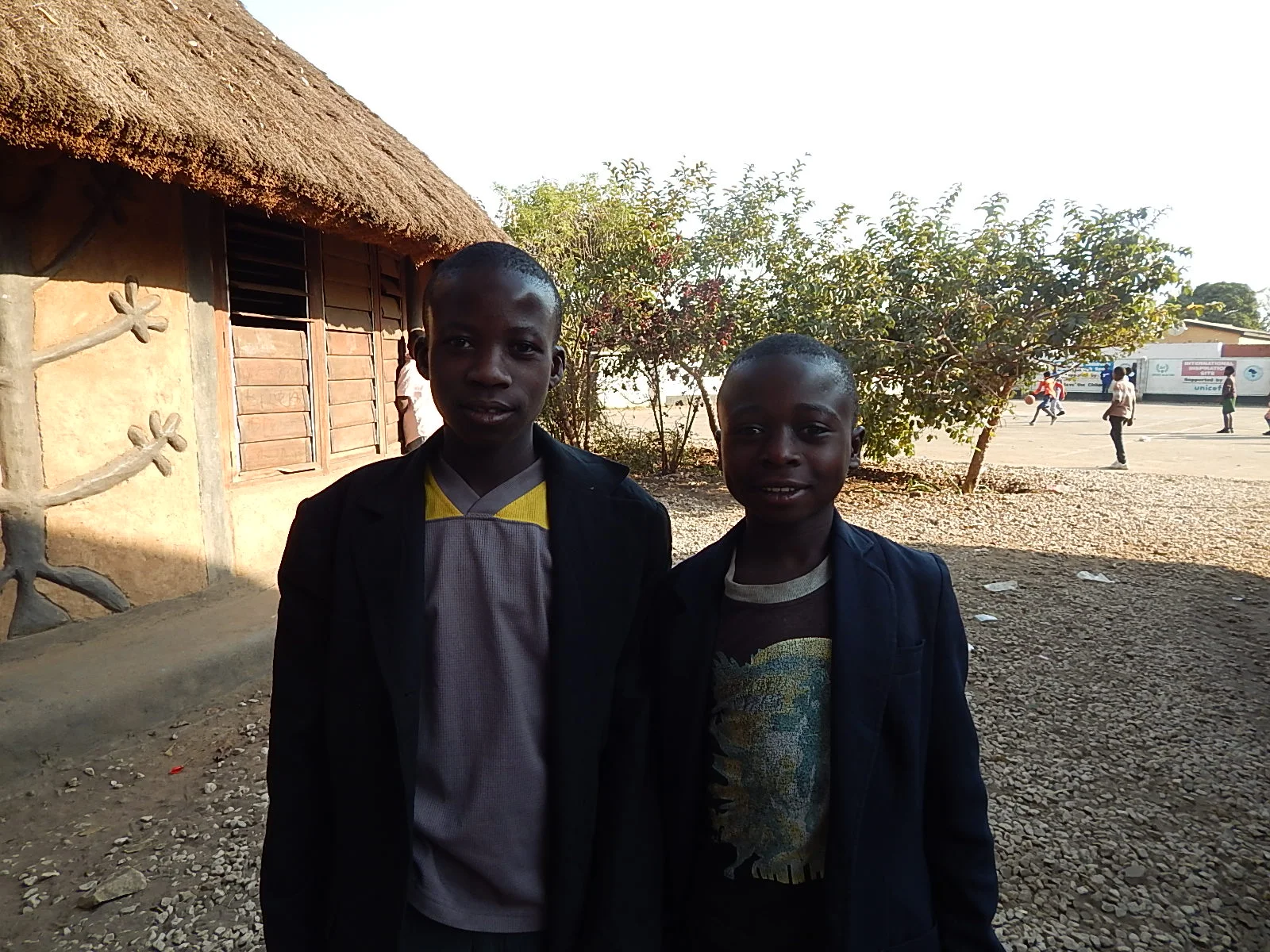
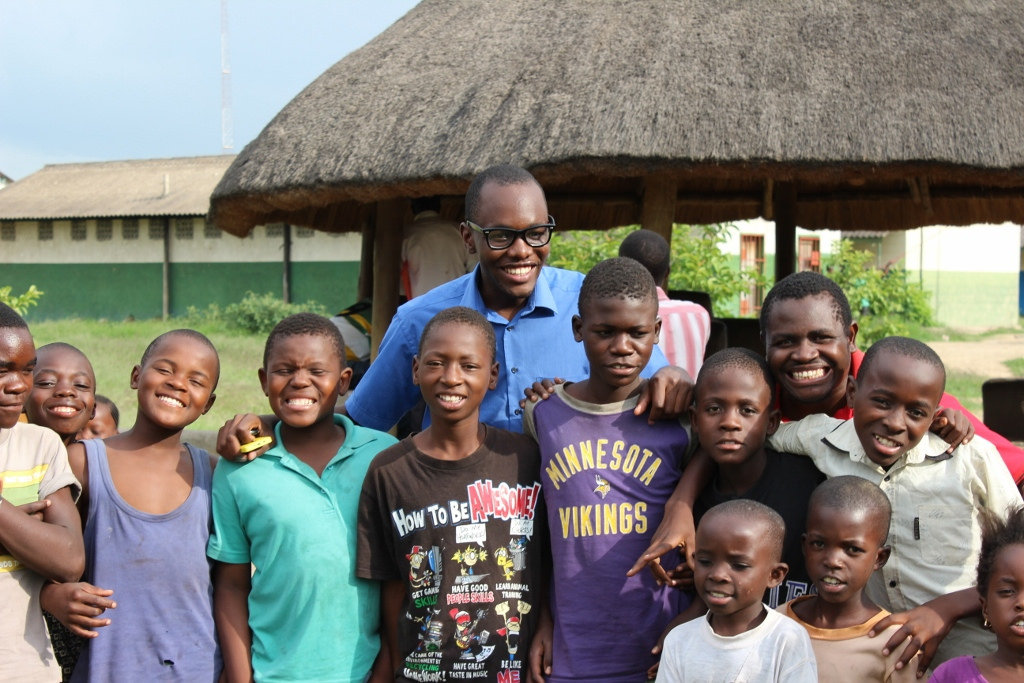
In the three months that I’ve been coming to the Fountain of Hope Lubuto library, I have been fortunate enough to get to know almost all of the kids who live at the center, help out in the library, and who are regular library users.  While I love each one of them, I would be lying if I said I didn’t have favorites, or three, to be precise.  Joe Tembo, Enesto Zulu, and Moses Zyambo represent what is best about a Lubuto library.  They each take turns assisting Elijah, our library manager, in the Reading Room as well as alternately running the OLPC program; Joe and Enesto participate in the Lubuto Arts program, and all three are helping to create projects using Etoys for our eIFL.net OLPC Zambian Language Literacy Program.  When they are not in school, they are at the library, reading, playing on the computers, or just having fun with their friends.  The Fountain of Hope Lubuto library is their home.  I really can’t imagine the library without them.  In addition to their faithful assistance with library programs, they’re incredibly funny and loveable guys with unique personalities.  Joe is extremely outgoing and is an aspiring rapper.  We have a running joke that I am Mapalo Tembo of Zambia’s Eastern province and he is Slim Joe from Canada. Enesto is much more reserved, but is faithfully trying to teach me Nyanja, although all we’ve been able to accomplish is his asking me what time it is and my responding in English (I think he’s losing hope in my abilities).  And Moses is like a sweet teddy bear, who also happens to be a computer genius.  But while I could wax on and on about how great each one of them is, I think it’s only fair that they be allowed to introduce themselves.

Joe Tembo: “I’m a librarian here, and I’m also doing art, and I’m in the program with Etoys with my friends Moses and Enesto.  I’m seventeen.  I first come to the library in February 2007.  I was at Fountain of Hope in Grade 7.  I came here in this room, to work

Joe Tembo

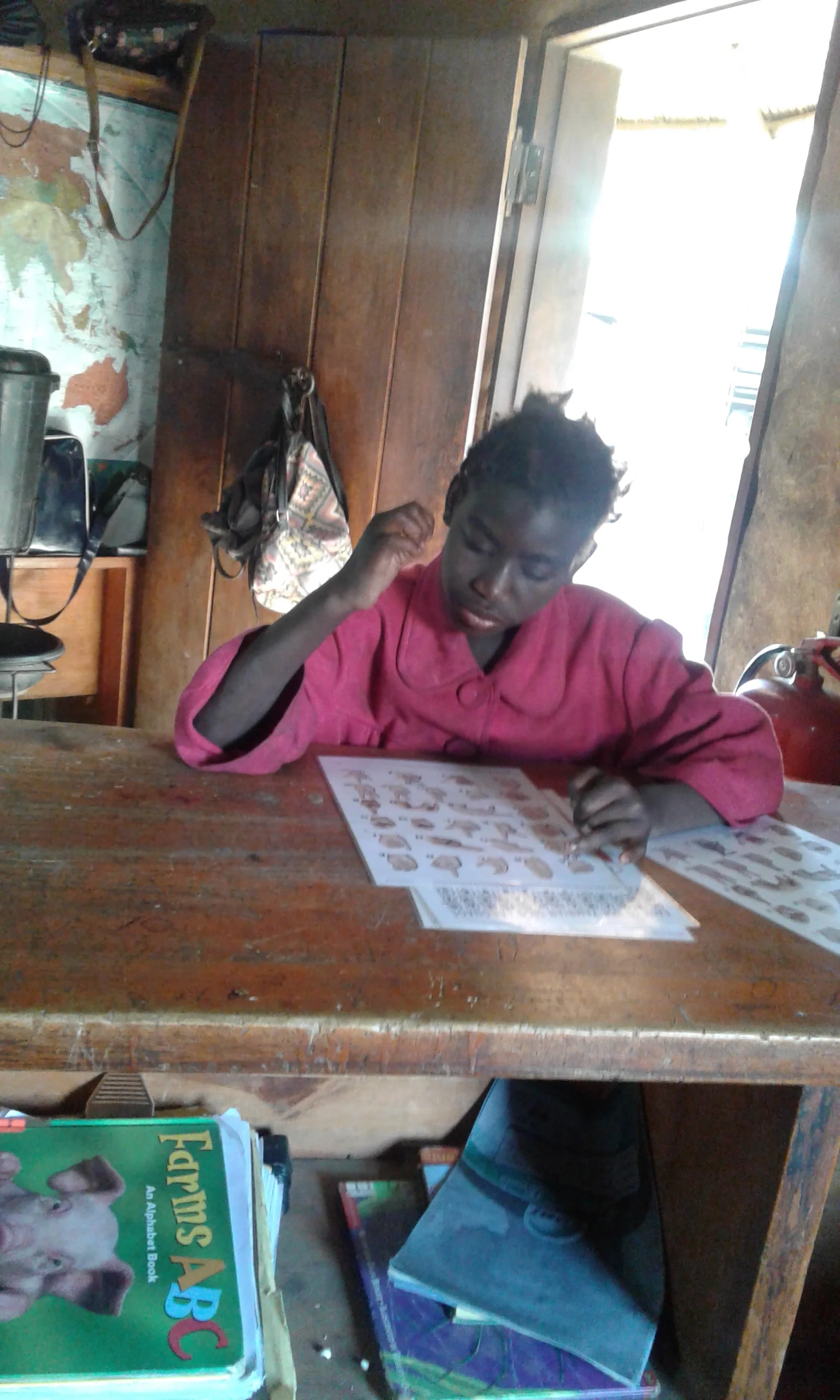
as a librarian, and when I finish school, I want to become a librarian.  I like to come here to help read books, help Elijah, and even you, Mapalo. I like to read books here, about Martin Luther King, and Leonardo Da Vinci. It’s nice to read the book about Leonardo Da Vinci because he was drawing and he made that famous painting the Mona Lisa. I started doing art in 2007 here, with Mr. Mwamba, he used to teach us how to paint and do drawing.  I used to sketch before.  I’m happy about the exhibition in the U.S. next year.  This library is important to the people so they can know how to read, and even how to write.  I’m helping out with Teacher Betty to show her how to use Etoys for the project.  It’s a very, very good project. My favorite thing to do here is to read.  I like being in this space.  My favorite place is the ‘People’ section.  I also like sitting in the ‘Sciences.’  Thank you very much.”

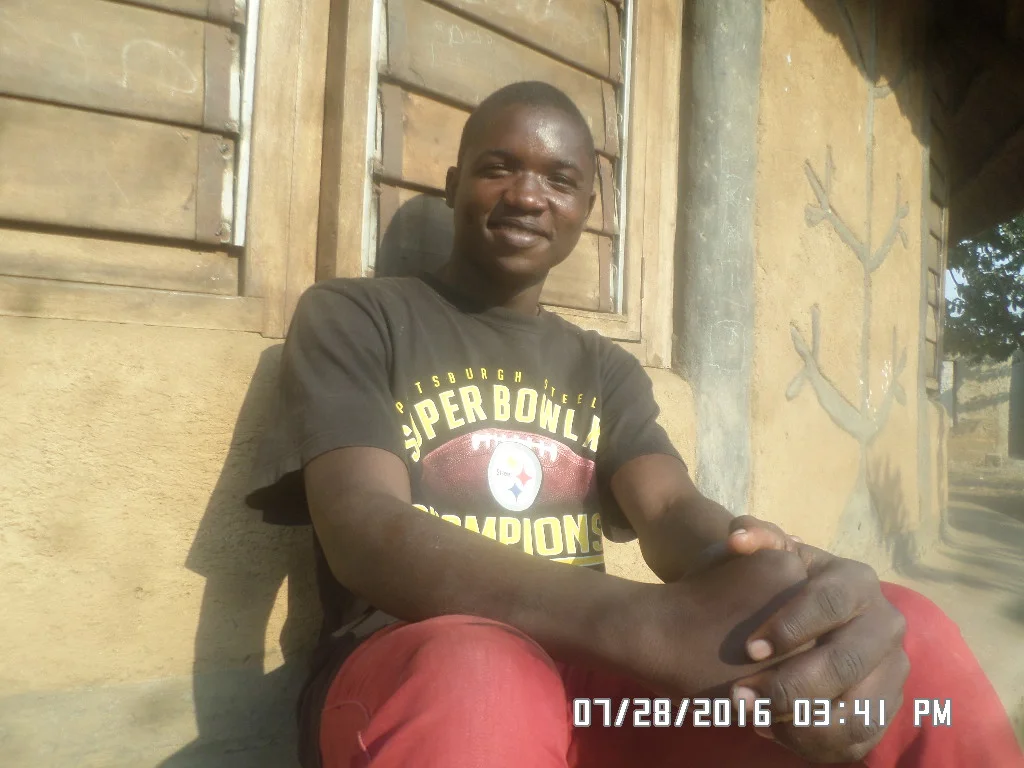
Enesto Zulu: “My name is Enesto Zulu.  I am nineteen years old.  I’ve come to the library for four years. I was learning here at Fountain of Hope and so one day they were building it, I was looking, then when they finished it, I was coming and reading.  I come to know about the world, about the people, and about the maps.  I like coming because I need to know how people live in other countries and what things they have.  We have to keep the books clean and ordered in the library.  At the library, I do the laptops and art.  Since when they finished building this, I joined the art class.  My favorite thing to do is to know the books.  My favorite sections are ‘Science’ and ‘Stories.’ I like ‘Science,’ ‘Technology,’ ‘Plants,’ and ‘Mammals.’  The library is important because children, even me, they have to know things from the library by reading the books.  I just need to be a businessman and a musician someday.”

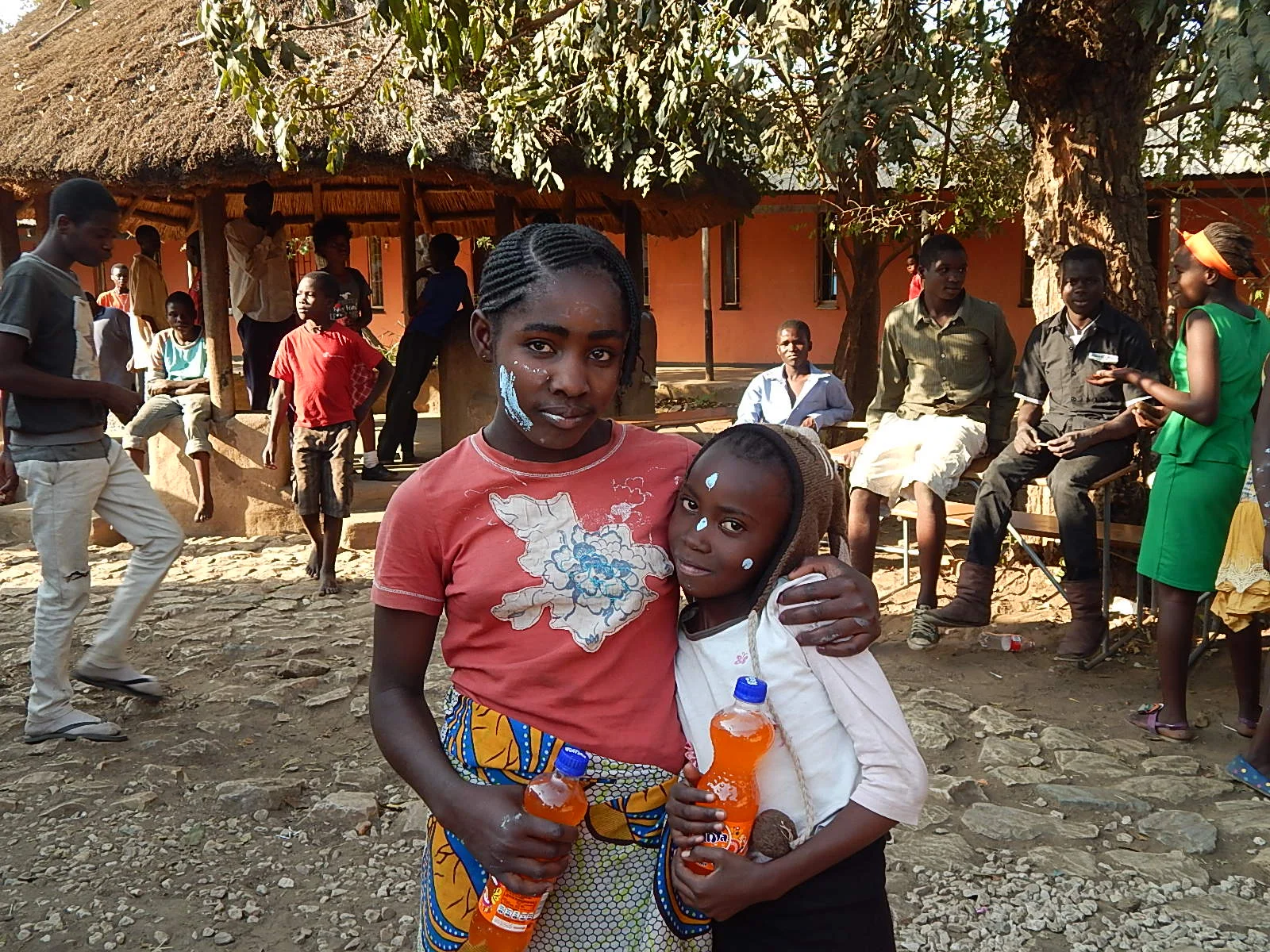
Moses Zyambo: “My name is Moses Zyambo. I am sixteen.  I came to the library in 2007.  I came because I feel that the Lubuto library can do something with what I want to do in life.  I want to do IT technology, information technology, and DJ.  I live at Fountain because I want to change, change my behavior.  Lubuto has helped with self-confidence and discipline.  I’ve changed.  I’m a librarian, and I teach children computers.  There’s a program about Etoys, and I’m involved with that.  Sometimes when I don’t have other things to do, I like coming to read and do other things.  My favorite section is “Science” and my favorite book is “Plants.”  The Library can help you to read, and know how to read, and when you don’t know librarians can help you to read.  I just want to say thank you to Jane Meyers for helping me.”

Posted in Uncategorized | Leave a comment

An Interview with Lubuto Library Fountain of Hope Volunteer Julie Allen

An Interview with Volunteer Julie Allen

From July 14-30, Lubuto Library Project was fortunate to have Washington, DC school librarian Julie Allen come to Lusaka and undertake the daunting task of doing a complete inventory of the Fountain of Hope Lubuto library collection.  Julie worked so hard to finish, staying for seven hours each day to catalogue books, and taking the occasional break to read with children.  We’re happy to say that she did indeed complete her mission, but we’re (and by we, I mean me, as I have lost my dinner buddy) sad to see her go.  But before she left, I asked her some questions concerning her time at Lubuto.

  1. How did you first hear about Lubuto?

I heard about Lubuto through a friend who worked at the Politics and Prose bookstore in DC.  She knew I had done other volunteer work.   Jane was at the store at the same time over a year ago I mentioned to her that I would love to come to Zambia to volunteer.  I contacted Jane in the spring of this year and asked her if there were any volunteer opportunities.  She asked me if I would like to do an inventory.  I couldn’t pass up the opportunity- it was a perfect time to do something like this. We met on Sundays and she gave me a full background of Lubuto and what the future was going to bring and her background of living here.

  1. How long did you stay in Zambia?

I stayed here a total of sixteen days and it was much too short, but with the help of some friends I was able to complete the inventory that I set out to do.

  1. What were your first impressions of the library?

I had seen the pictures of the actual structure of the library and I was not disappointed at all in person.  It’s beautifully constructed.  My first impressions, when I saw the children coming in to use the library, I really felt that it was meant to be, that this was a place that would bring much joy to the children through their reading and the programs here.

  1. What is your favorite Lubuto memory?

I really think it’s seeing the children come in on their own, and reading on their own, pronouncing the words and asking for help, and spending a considerable amount of time concentrating with one book.  It’s young and old that come in.  And just the discipline that they have…it impresses me, their thirst for knowledge.  And of course the Pippi drama, which as the days have gone on has gotten better and better.   Their patience and listening well, just very impressive. It’s always the children I remember.

  1. Why do you think the library is important?

It just brings the children together to do something worthwhile in their lives. Acting out their feelings in the mentoring program, through the books, sharing their knowledge.  It’s a continuation of their schooling.  There is recreation; it’s a place for the children to come. And it’s a wonderful community of children who know each other.  It was a great opportunity and I was blessed to be able to do this.  I received so much in coming.  It’s never too late to learn new things.

Julie is missed here at Lubuto, where everyone is asking if Miss Julie will come back soon.  She also made the day for Lubuto artists Joe and Emmanuel, purchasing two of their paintings to take back as souvenirs.  All of us here in Zambia want Julie to come back to visit soon, but in the meantime, we hope that when she looks at her beautiful art, she will be reminded of all her Lubuto friends.  Zikomo kwambiri, Julie!

Posted in Jennifer Campbell Volunteer Experience | Tagged , , , , , , , , , , , , , , , , | Leave a comment

Lubuto Library Fountain of Hope Librarian Harrison

Harrison

The first time I met Harrison, our head “librarian,” I was convinced he didn’t like me.  He was shy and didn’t speak much English, which made communicating with him challenging. So on the days I went to the library, I would sit quietly and do my work and he would do his job of ensuring that visitors signed in and were well-behaved.  Then one day I brought out my laptop.  I was instantly surrounded by curious children eager to look at pictures and play games.  Harrison, who would often listen to music on his cell phone, asked me if I had any music on my computer.  I mistakenly said yes and was soon inundated with requests to hear Lil’ Wayne and Kanye West.  Sadly lacking rap music on my iTunes, Harrison settled on Beyonce.  As soon as I turned on “Single Ladies,” this introverted young man became a different person.  He grabbed one of his friends and started dancing in the middle of the Reading Room circle.  While not exactly library-appropriate behavior, it was vastly entertaining to see his “Thriller-esque” dance.  Since our random dance party, Harrison greets me with a huge smile and shouts out “Mapalo is here!”  (The kids decided I was in need of a Zambian name so they chose Mapalo, which is the Bemba word for “blessing”).

Harrison is one of the most impressive young people I’ve ever met.  He takes his librarian responsibilities seriously, and is always there to open the building at 8am and close it at 6pm.  He dutifully ensures that everyone who comes in signs their name and he conducts at least one story time per day.  He sweeps, shelves books, and greets visitors.  But perhaps the thing I most admire about Harrison is his positive attitude amidst a life of hardship and uncertainty.  He is like any other teenage boy, laughing and playing with his friends, making jokes.  When this is posted, Harrison probably will have already been “re-integrated” with his family.  Knowing that his departure from Fountain of Hope was imminent, I decided to interview him to get his life story before he arrived at the center.  It is both incredible and heartbreaking.  With the assistance of another Lubuto librarian, Elijah, we have translated my interview with Harrison.

“My name is Harrison Zulu.  I am seventeen years old.  I have been one year at the center.  Before, I was staying with my family in Kabwe.  My uncle (Mr. Abel) was working as a prison warden in Luapula province.  Mr. Abel sent a letter to Kabwe to let me stay with him.  So then I went to Luapula province.  Then Mr. Abel was transferred to the Copperbelt and I started experiencing some abuse at home.  I worked from sunup to sundown.  I was not allowed to come home late.  One day, I escorted some friends home and was going to be late.  Before I got home I heard that my uncle was going to beat me so I decided not to go home.  I spent the night with a musician visiting from Lusaka.  In the morning I did not want to go back home so I walked and followed Mpongwe Road by myself.  I was heading to a village, but before I reached the village I met Mr. Manjoro who worked for the Council.  Mr. Manjoro questioned me.  He carried me to the police and they wrote down my statement.  Mr. Manjoro carried me to his home.  I became like a son to him and I entered into school.  My uncle never even tried to look for me.  I changed my surname to Manjoro.  Then I moved to Lusaka with Mr. Manjoro.  Mr. Manjoro started to drink beer.  I make noise (snore) when I sleep so he made me sleep outside on the veranda.  I slept outside on the veranda for one month.  One of the neighbors saw how I was suffering.  He communicated with friends who worked for Victims Support.  Social welfare came to pick me up and brought me to the Center.”

In an attempt to fill the gaps of Harrison’s history, I spoke with people at Fountain of Hope.  Apparently, Harrison’s family in Kabwe (which included an abusive aunt), thought the uncle had sold Harrison and that he had died soon after.  The family even held a funeral service for Harrison.  It’s unclear whether Harrison’s integration with his family again will be successful.  It has been three years since he’s lived with his family, and given the previous pattern of abuse, he may run away from home again.

But, there is reason to hope.  Since Harrison began working at the library in March, he has earned a small salary, enough to pay for his school fees and provide small savings.  Harrison told me that he would like to work in an office one day, managing documents and papers, and he thought that his experiences in the library were good preparation for this.  “I learned to be responsible…responsibility and discipline.  I will never forget working in the library and it will be always in my memories.”  I will also never forget Harrison; his special dancing capabilities, his ability to make me laugh and to laugh with me (or at me, like when he tried to teach me to eat nshima properly).  My earliest Lubuto memories will always be of Harrison’s smiling face greeting me as I first stepped into the library.

Posted in Jennifer Campbell Volunteer Experience | Tagged , , | Leave a comment

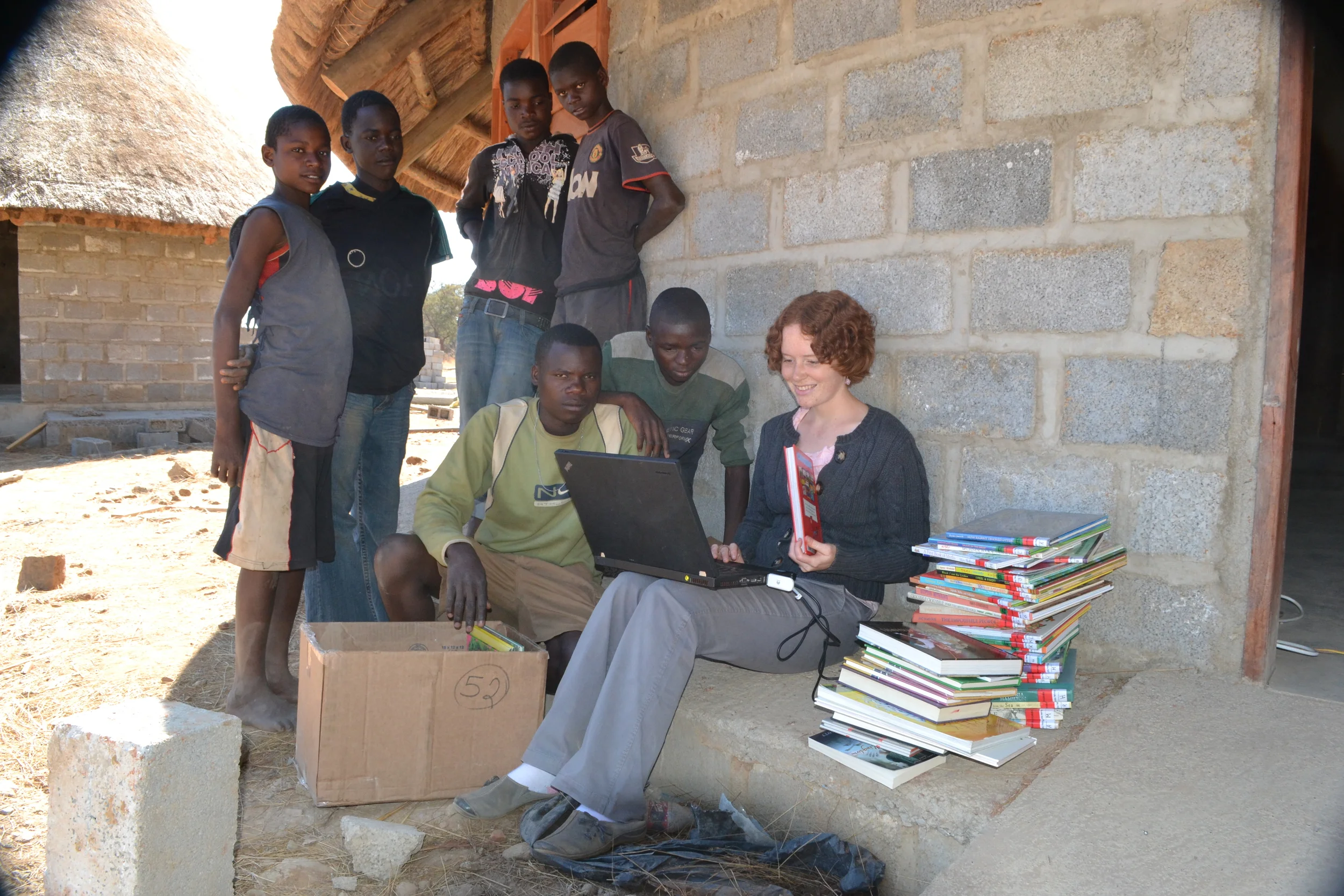
Jennifer Campbell sharing some photos from the Fountain of Hope Lubuto Library in Lusaka Zambia!

Here is Jennifer enjoying her first taste of nshima, a cornmeal dish that is the staple food in Zambia.

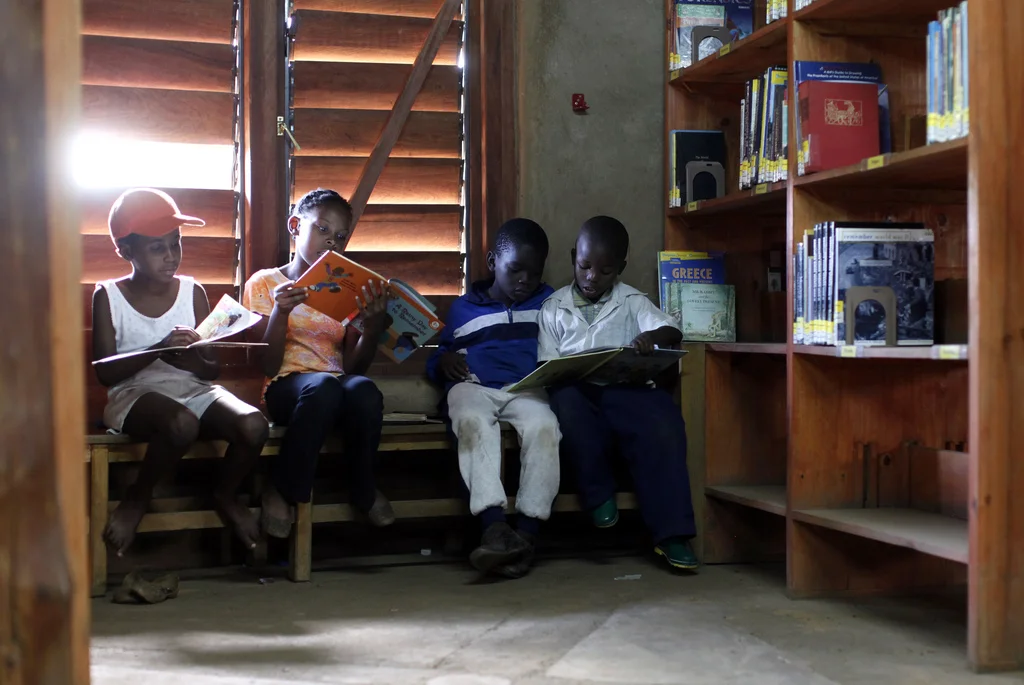
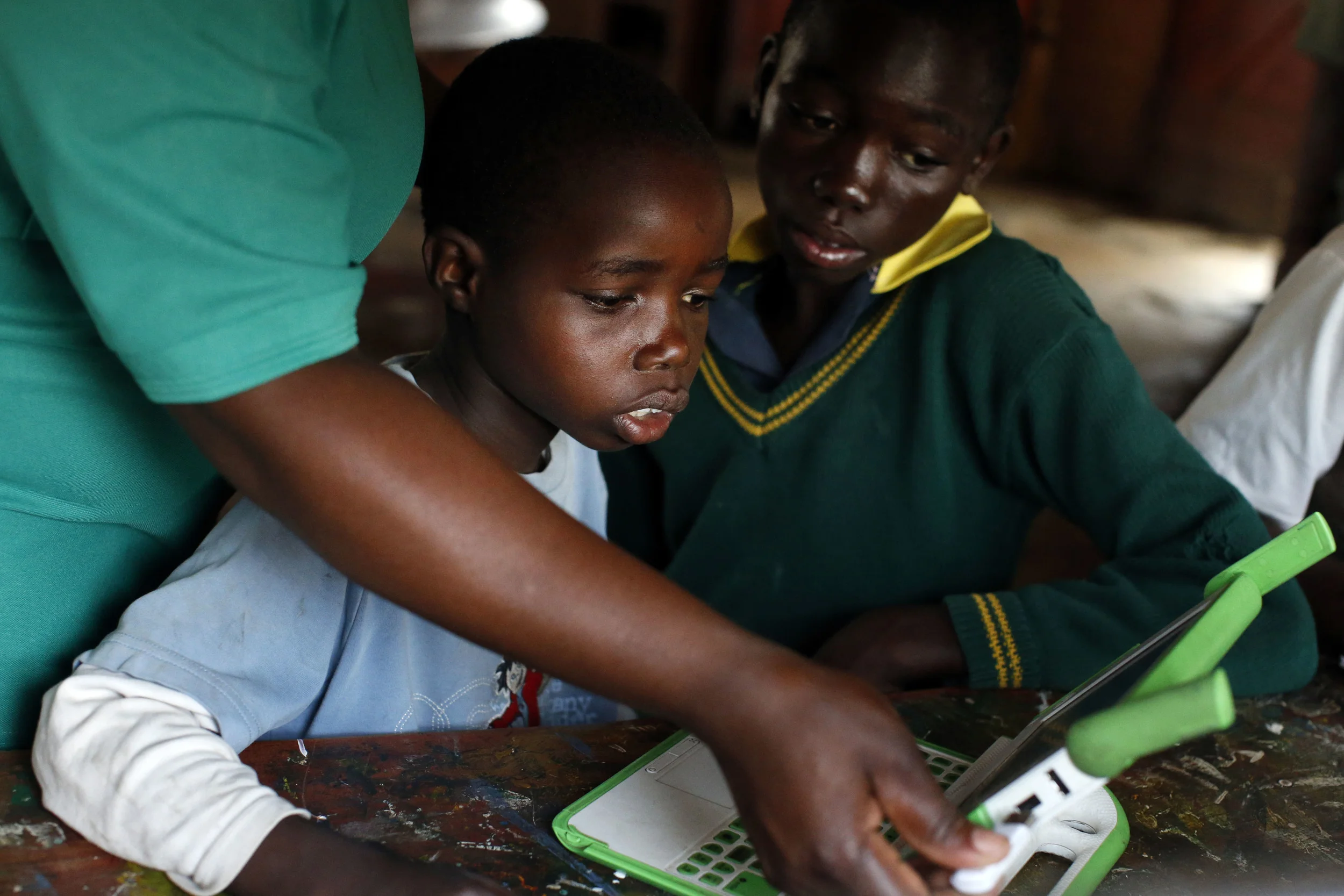
Here are some of the children at the Fountain of Hope Library in Lusaka Zambia, using the One Laptop Per Child XO Laptops.

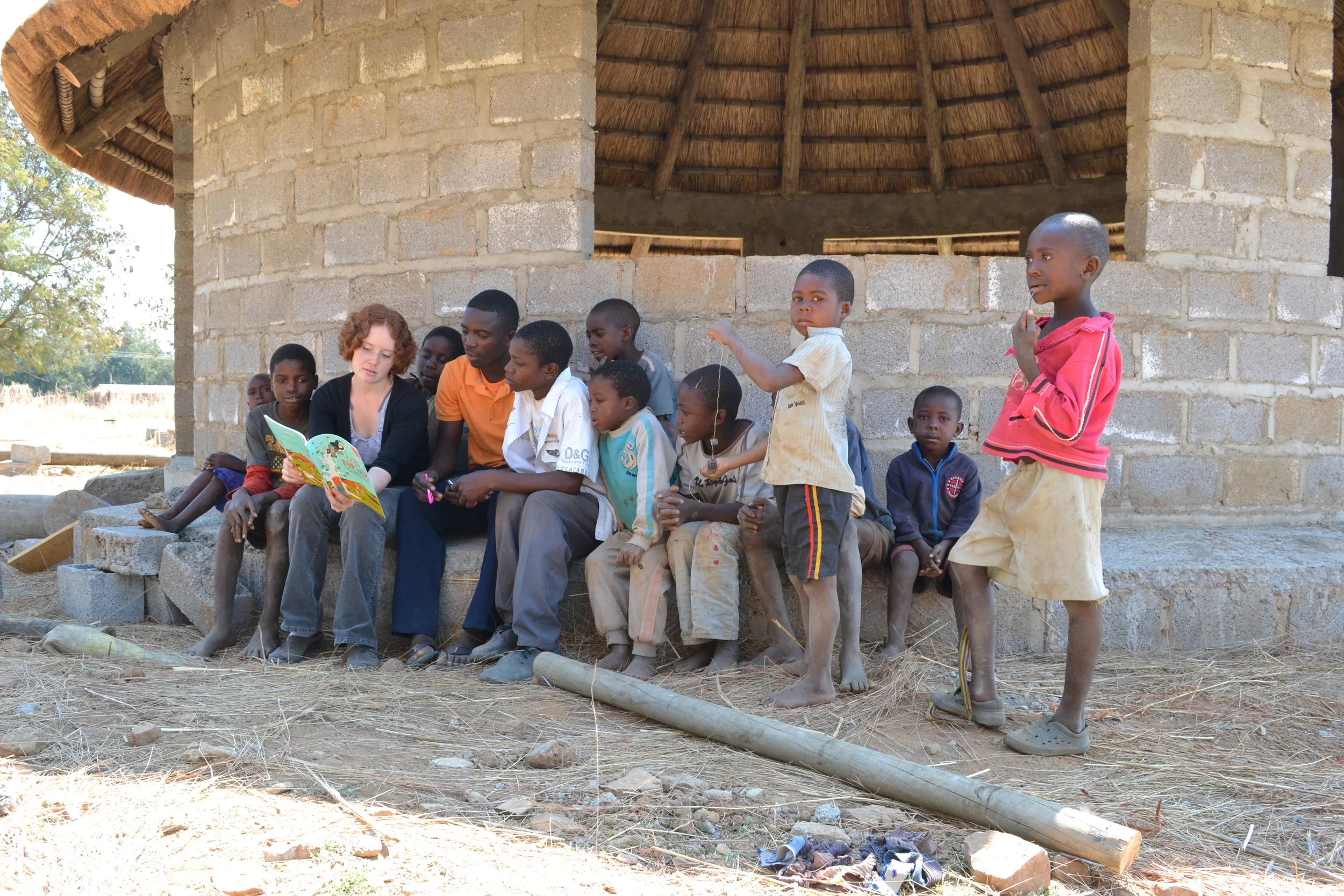
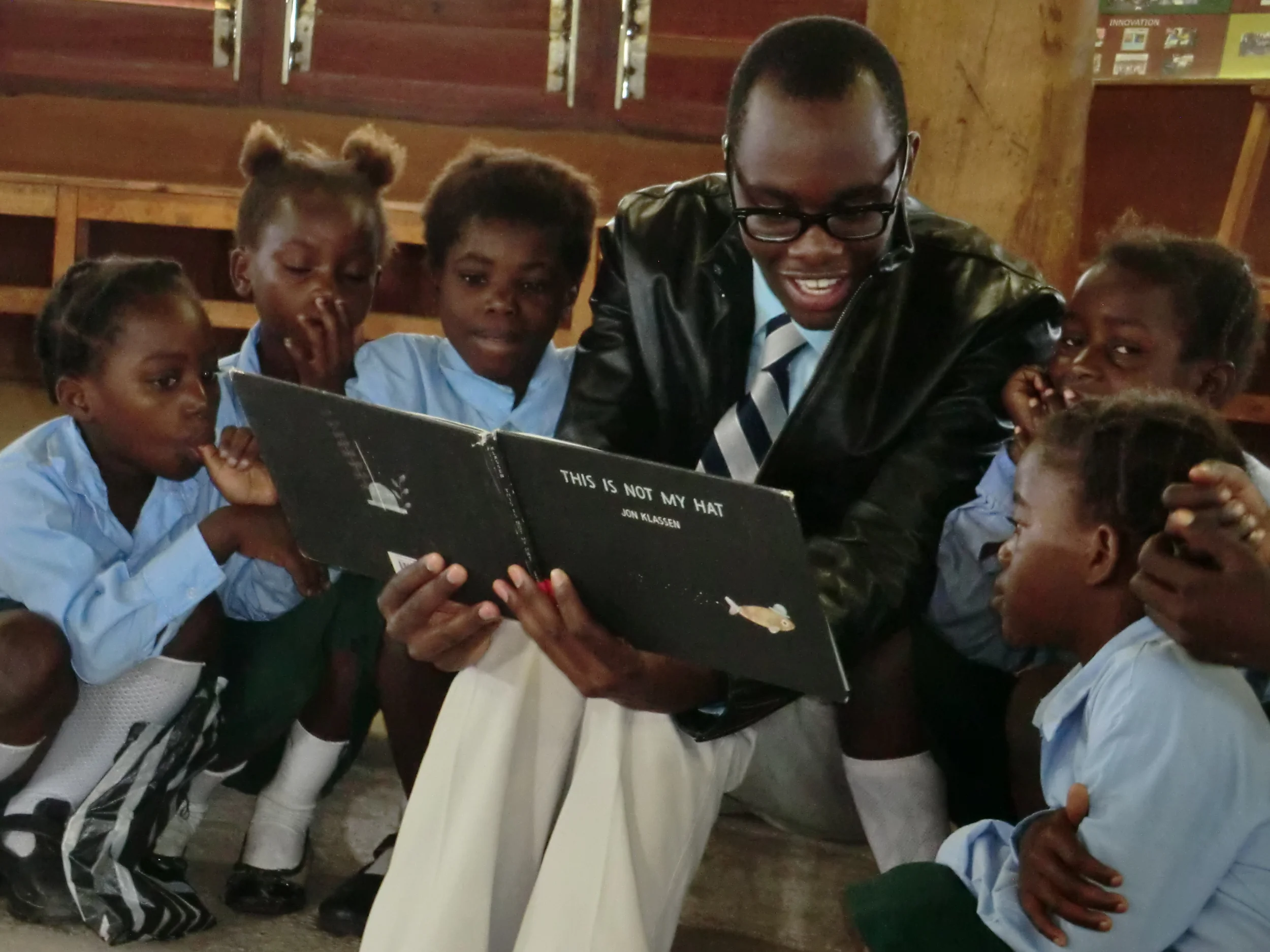
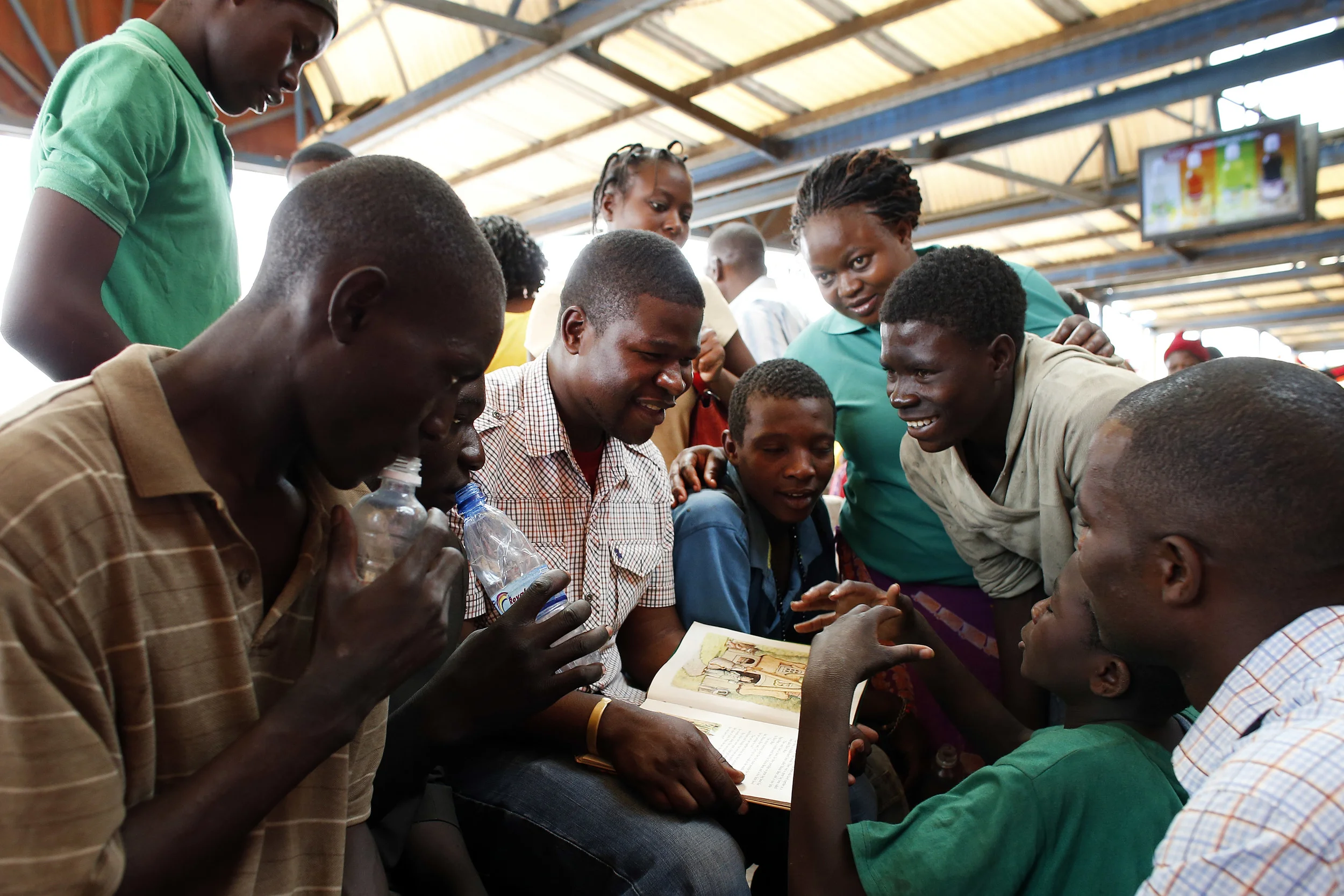
One of the Lubuto Fountain of Hope Library staff members read to a group of children.

Posted in Jennifer Campbell Volunteer Experience | Tagged , , , , , , , , , , , , , , | Leave a comment

Motivational Mentoring Celebration

On Saturday, June 13, students who had participated in Lubuto Library’s and YOFOSO’s Motivational Mentoring program gathered for their final meeting. The program, which began earlier this year, ran for twelve sessions. Motivational Mentoring was designed especially for Lubuto with the assistance of Dr. Lawrence Mukuka of the Sky High Institute for Success. Each session was focused on teaching a specific principle, including purpose in life, honesty, faith, courage, perseverance, self-confidence, responsibility, persistence, self-motivation, self-empowerment, friendship, and self-discipline.

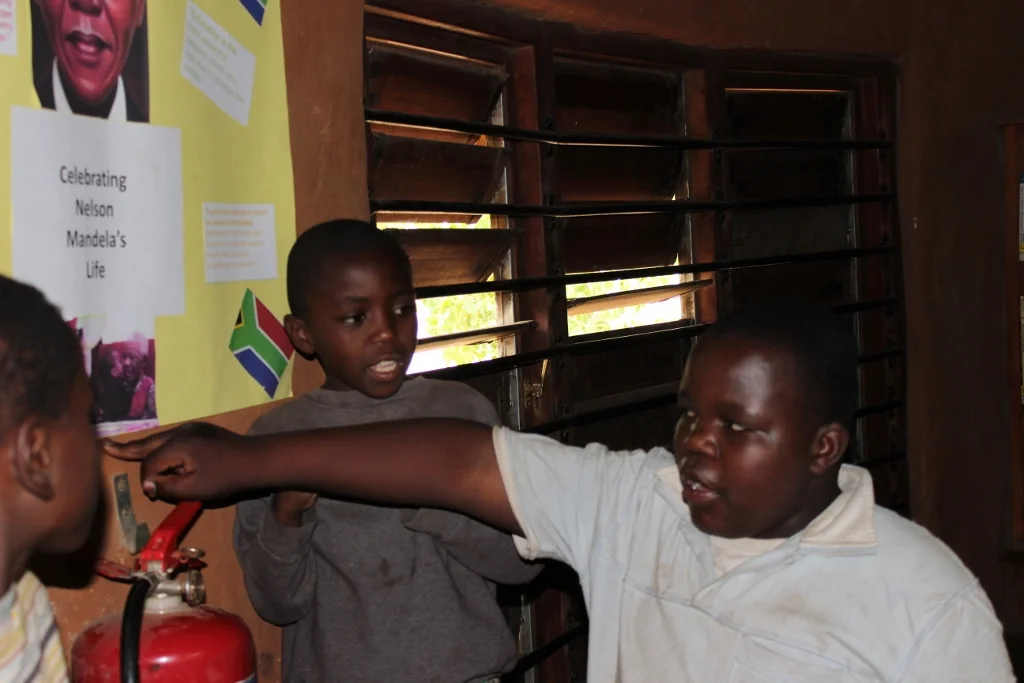
The lesson plans were unique, utilizing three positive examples, which combined traditional Zambian stories such as the elephant and goat (self-confidence) and internationally recognized figures (Nelson Mandela-self-motivation).

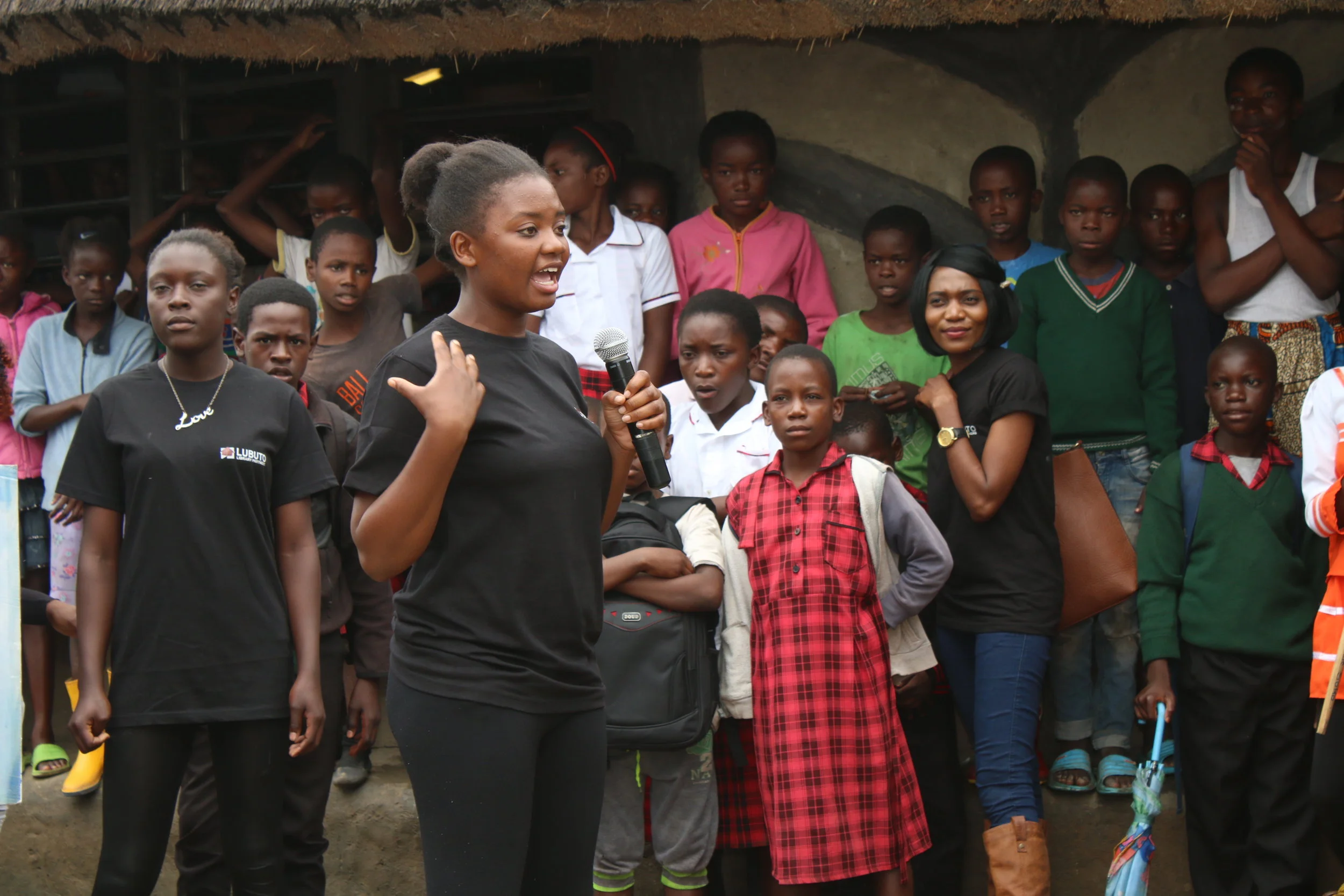
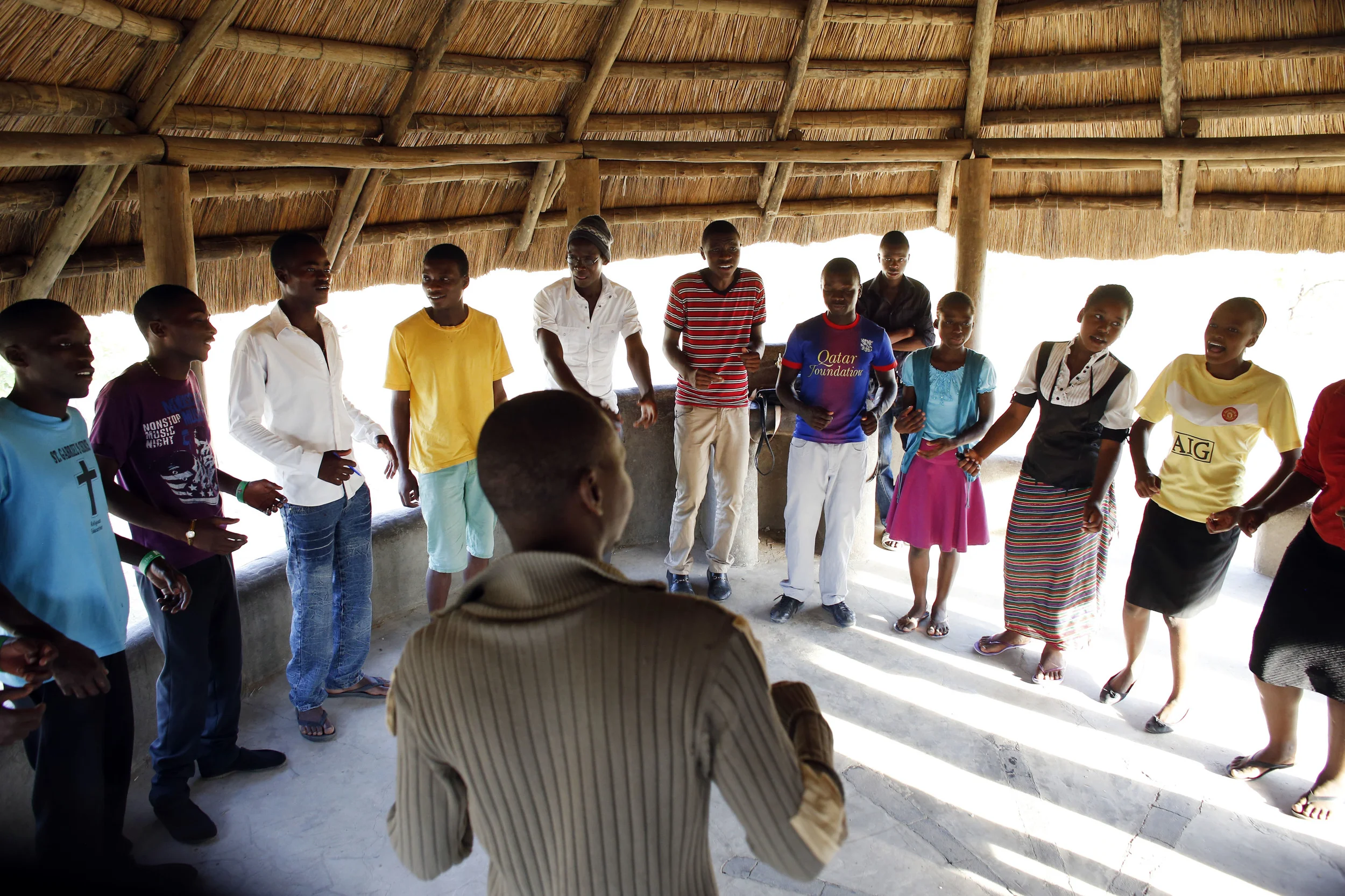
It was my first visit to the Lubuto Library, and I was instantly overwhelmed. Immediately surrounded by hordes of children, I could only smile and laugh. Their enthusiasm was infectious and shown plainly on their faces. It was evident that the kids who attended loved the program. This final session allowed the students space for reflection. As the only muzungu (white person) there, and sadly lacking knowledge of either Bemba or Nyanja, I was unable to understand exactly what the children were saying, but in the end, it didn’t really matter. When asked what value they thought was the most important, the students stood up one by one to give testament to all they’d learned, a visible demonstration of newfound self-confidence, empowerment, and motivation. The girls, especially, looked proud, and even a bit sassy, as they stood in the center of the circle, hands on hips and turning from side to side to address the audience: (note, I clearly did not do the translations)

Sakalunda: “Self-empowerment: Before, I had wanted very much to play football but I couldn’t. The story of Kalusha Bwalya changed everything as I am now the best player at my school.”

Ann: “Self-confidence: Having confidence is a very good thing. I have taught others and I have also set myself high standards, making myself a role model for my friends at school and in my community.”

Gift: “Faith, courage, and perseverance have helped me help my School…to do very well at NATA 21 Arts Festival.”

Precious: (on self-motivation) “I’ve come here to present myself on poems and I shouldn’t fear…but I have to motivate myself so I can speak my poems.”

Some of the students’ parents shared their observations of changes they’ve seen and felt within their children.

Parent 1: “Thank God for Fountain of Hope and Lubuto Library. My child has started to make me have faith-this lesson has raised her self-confidence. She has started to teach her friends as well.”

Parent 2: “Maxwell, my child, has taken up the role of counseling me on issues such as being involved in unnecessary arguments in the community.”

Parent 3: “A word of advice to the children: please be really honest with yourselves and the lessons you have been learning. Let us the parents see your actions be in tune with your lessons.”

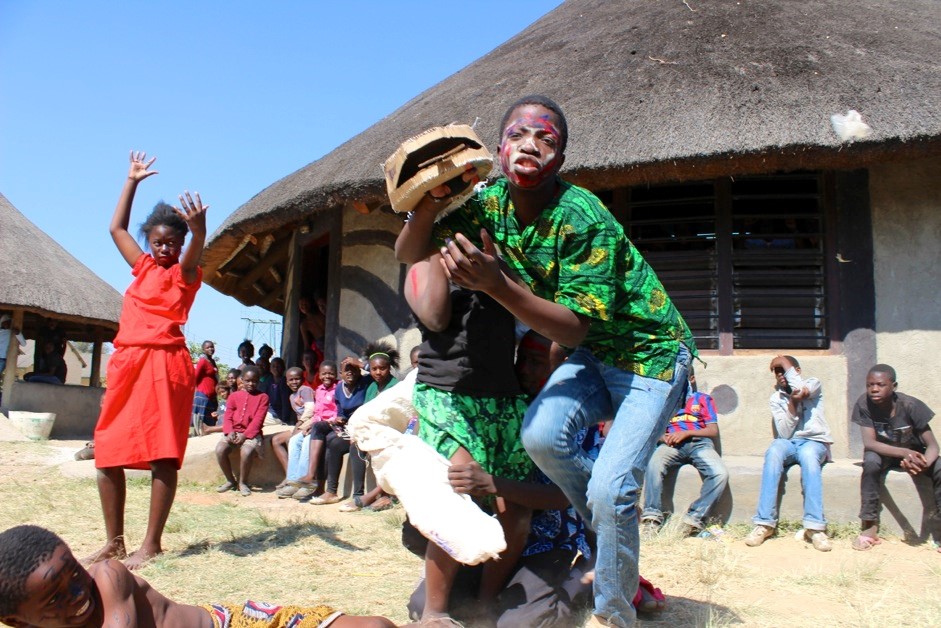
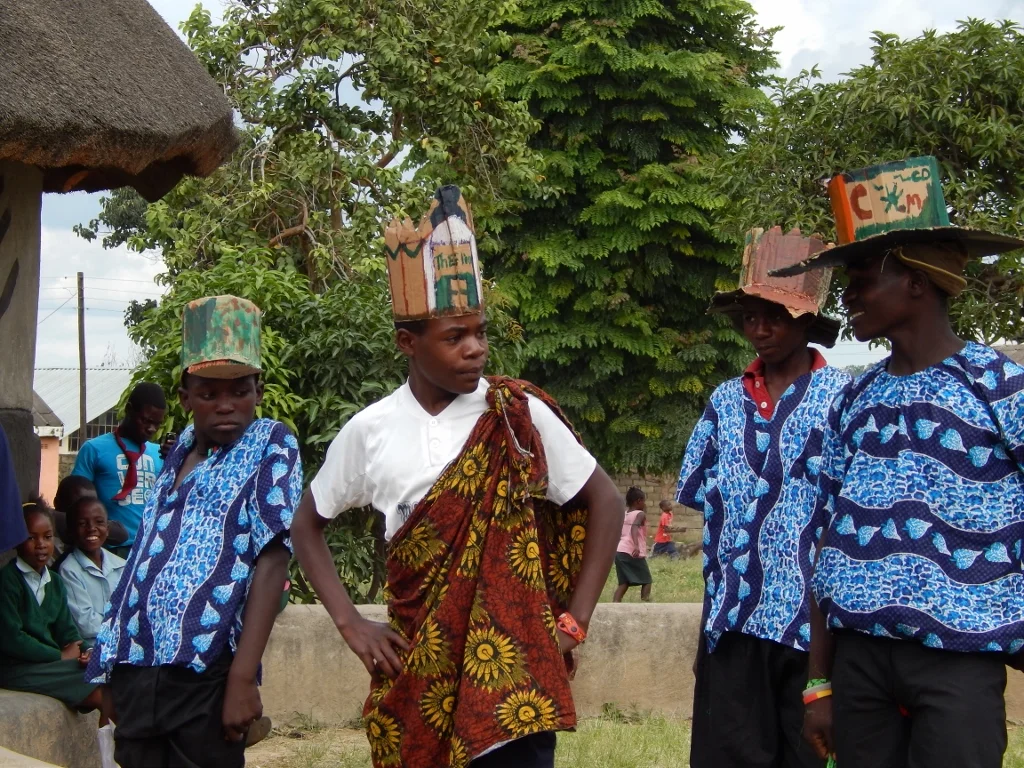
Following a delicious meal of nshima, chicken, and cabbage (where I was duly laughed at for my inability to neatly roll the nshima into balls with my hands), the group of 200 gathered outside for a drama competition. I was fortunate enough to be given the role of esteemed judge from the United States. Using the ever-official criteria of creativity, voice projection, acting, costumes, and cast, as well as the scientific 1-10 scale, I was tasked with a difficult decision. Six groups in total competed, incorporating props and costumes, and not quite Oscar-worthy acting skills. Not understanding any of the action, I based my official duties almost exclusively on audience reaction. In the end, the group from Matero emerged victorious thanks to the efforts of one particularly amusing actor who played a kleptomaniac taxi driver (I think that’s who he was, anyway). Following their victory dance of jumping up and down screaming, the group received Lubuto Library Project/Motivational Mentoring t-shirts. I wish I had taken a picture of the kids’ faces when they found out what they had won. Words can’t adequately describe their glee.

The day lasted over seven hours, and yet the children remained excited and attentive throughout- a truly amazing feat. They listened to one another and showed respect for both their peers and the teachers in attendance; evidence the program had made an impact on them. The program gave the children a chance to express themselves, learn valuable lessons from peers and mentors, and spend time with their friends in a beautiful space. In the words of a boy named Jackson who participated, “This program should continue so that we can learn more.”

Posted in Jennifer Campbell Volunteer Experience | Tagged , , , , , , , , , , , , , , , | Leave a comment