The First Lubuto Library Opens

library


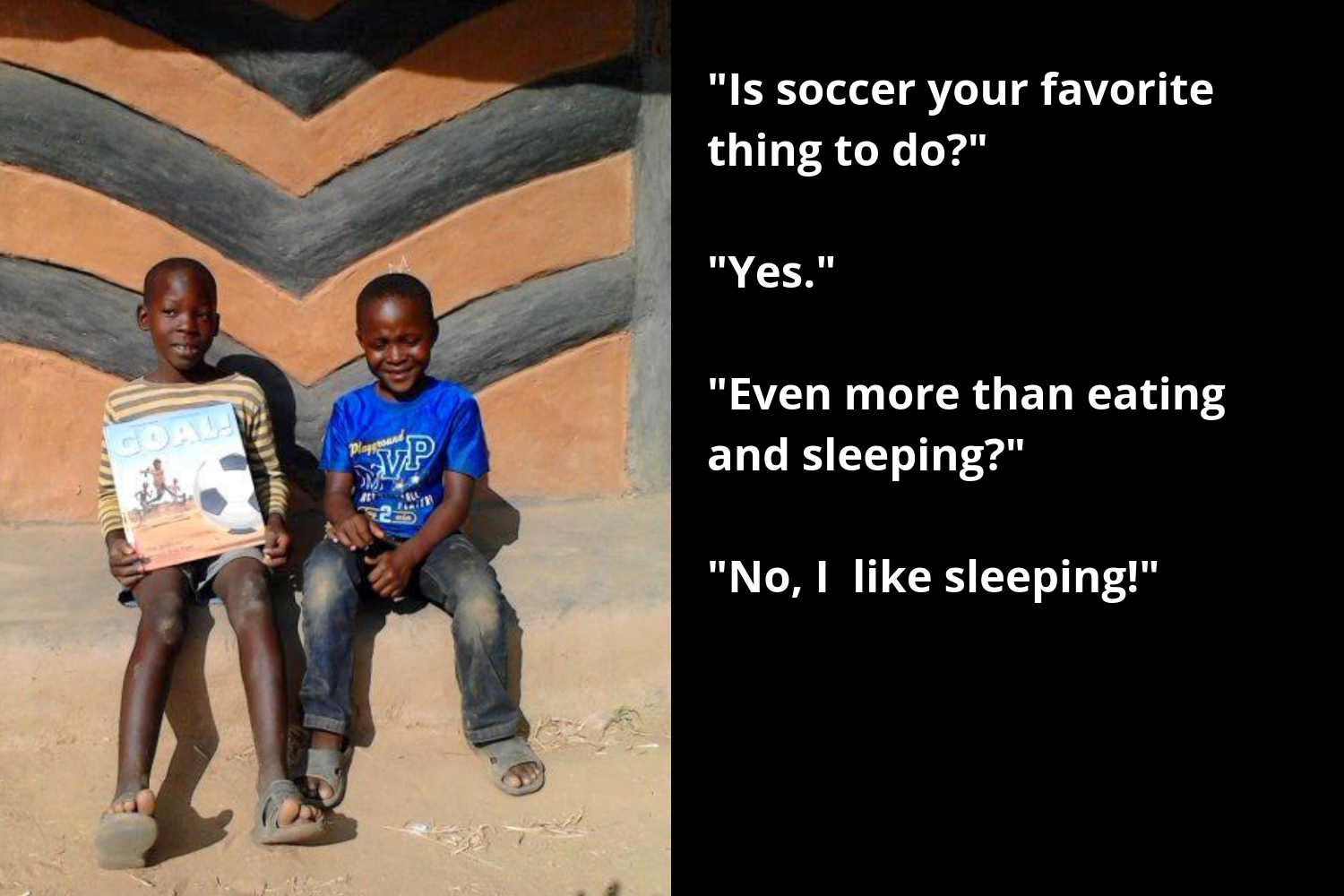
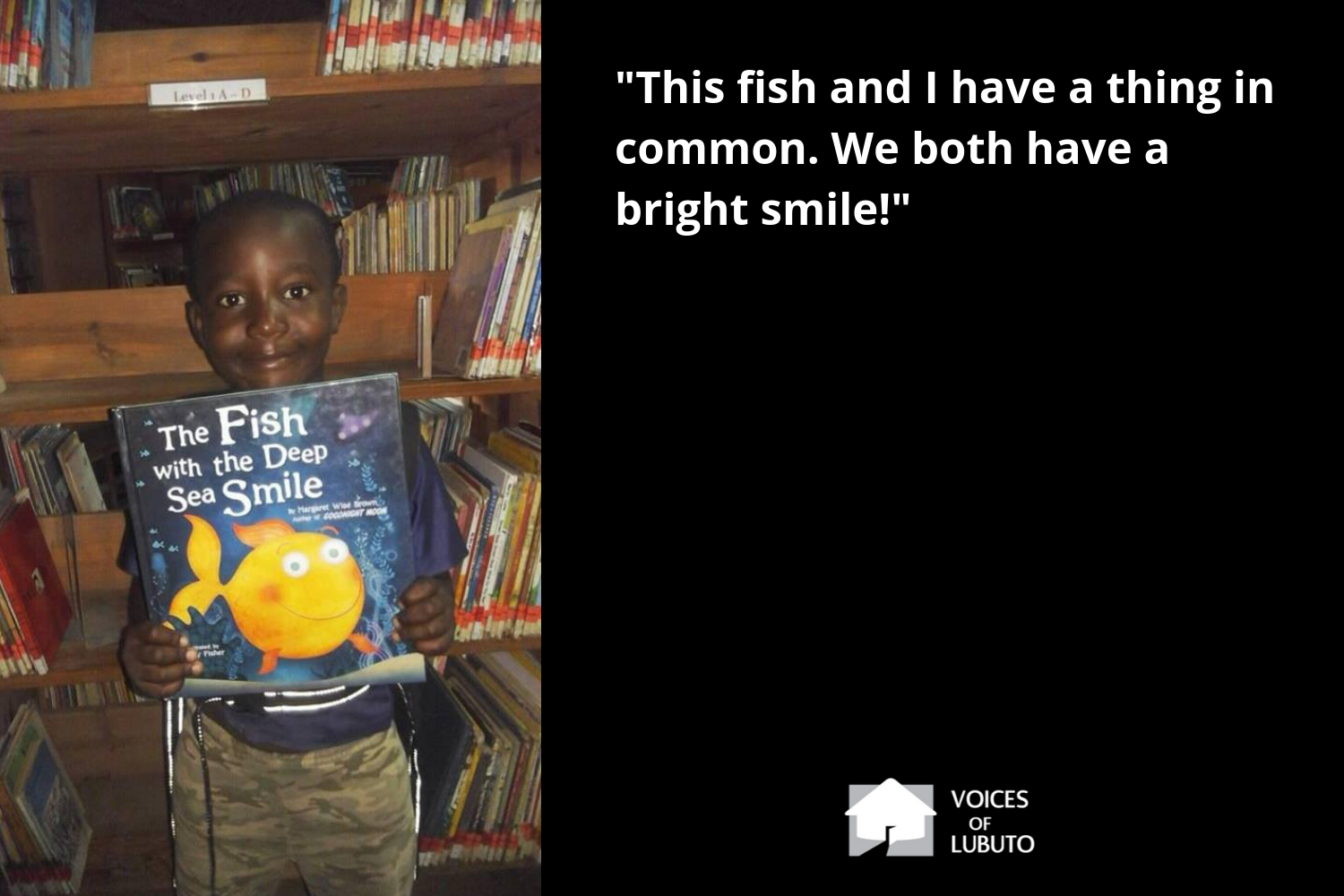
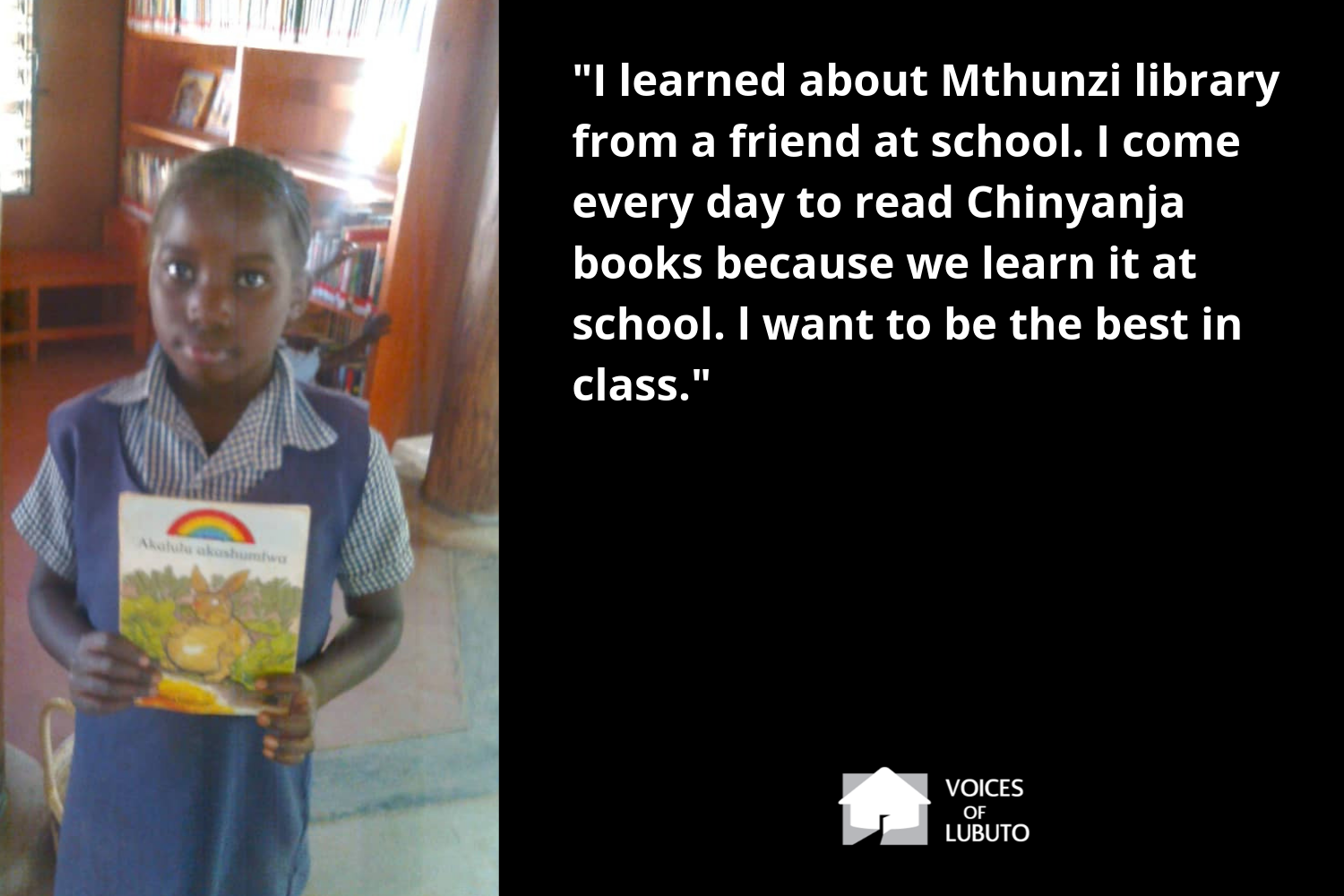
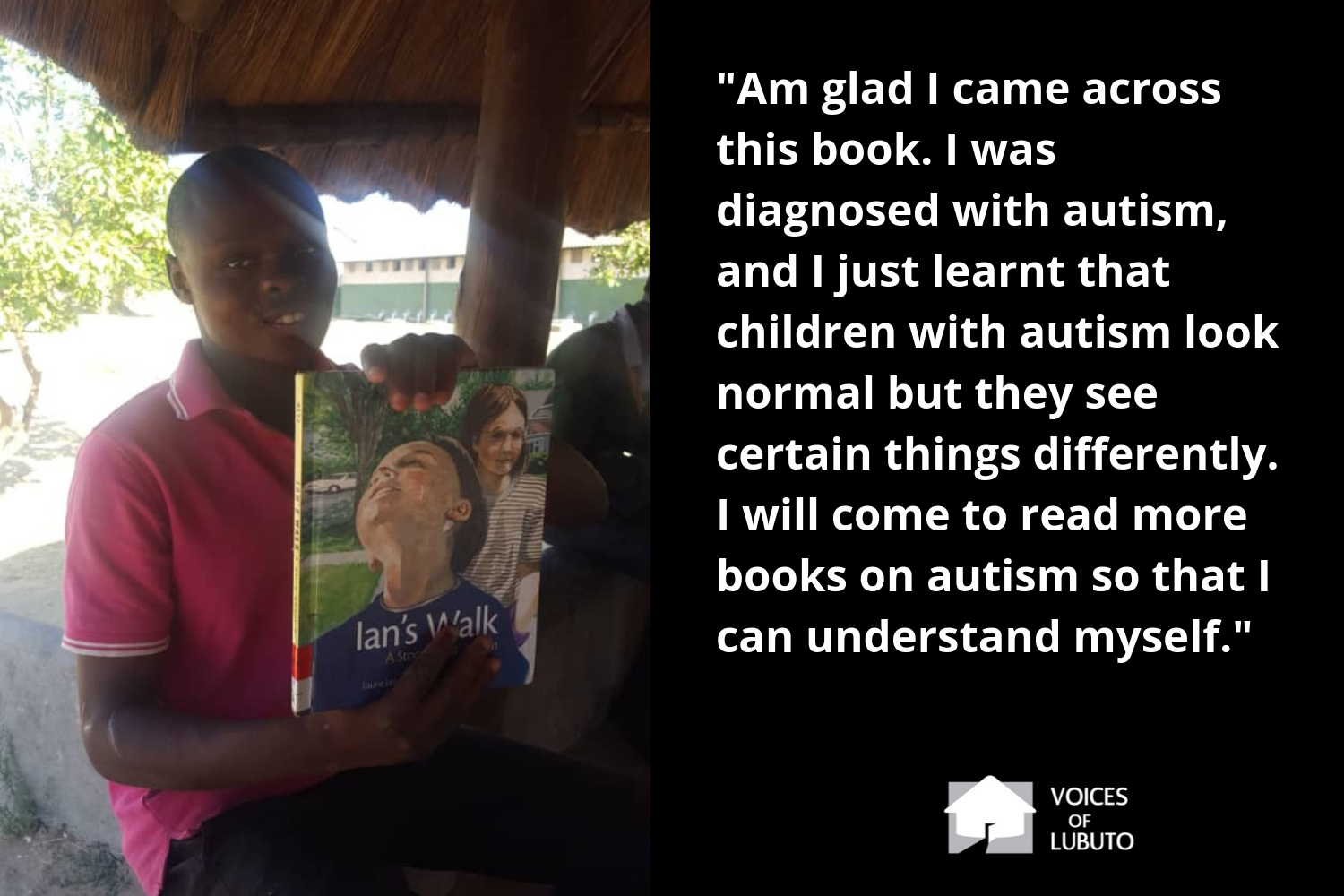
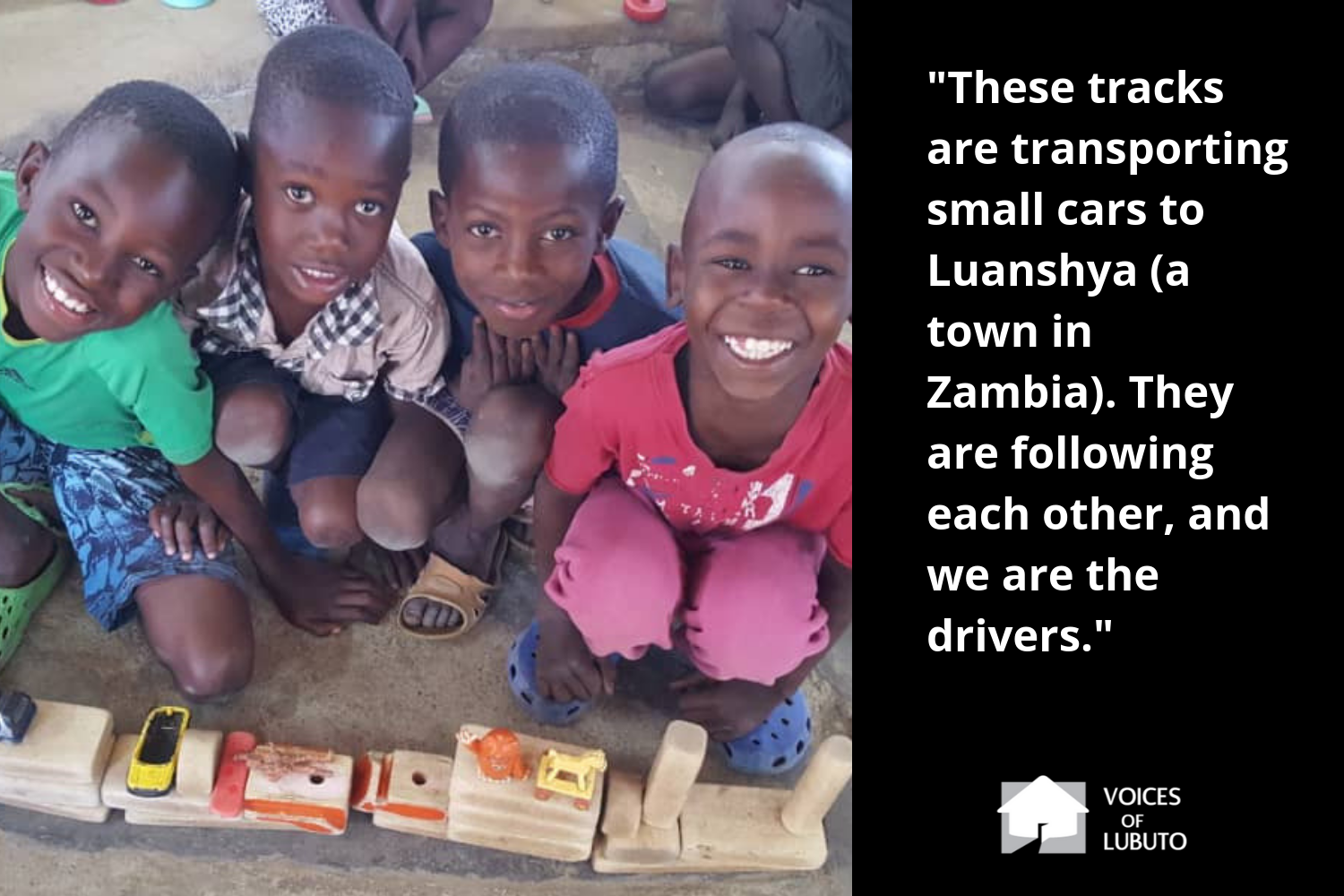
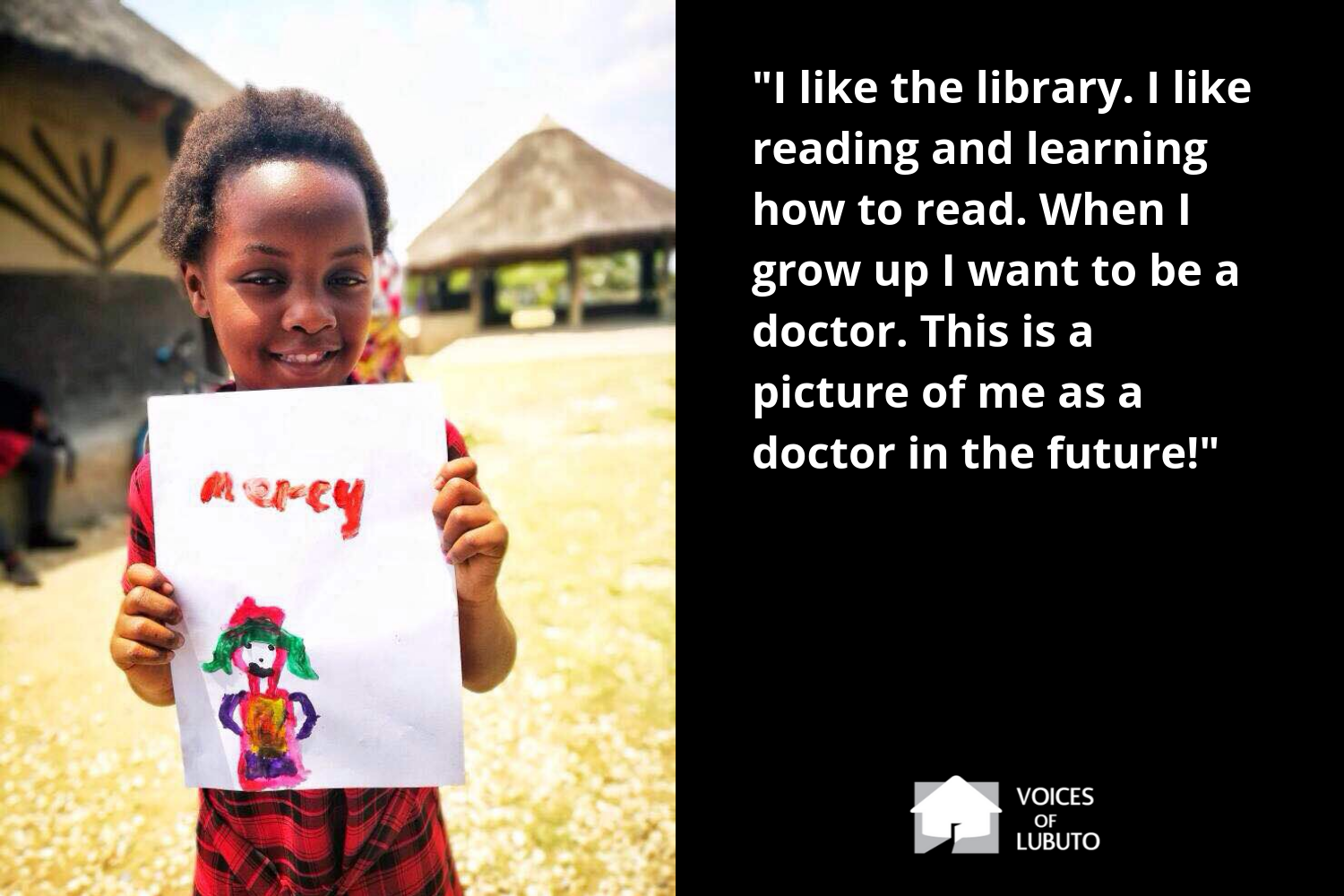
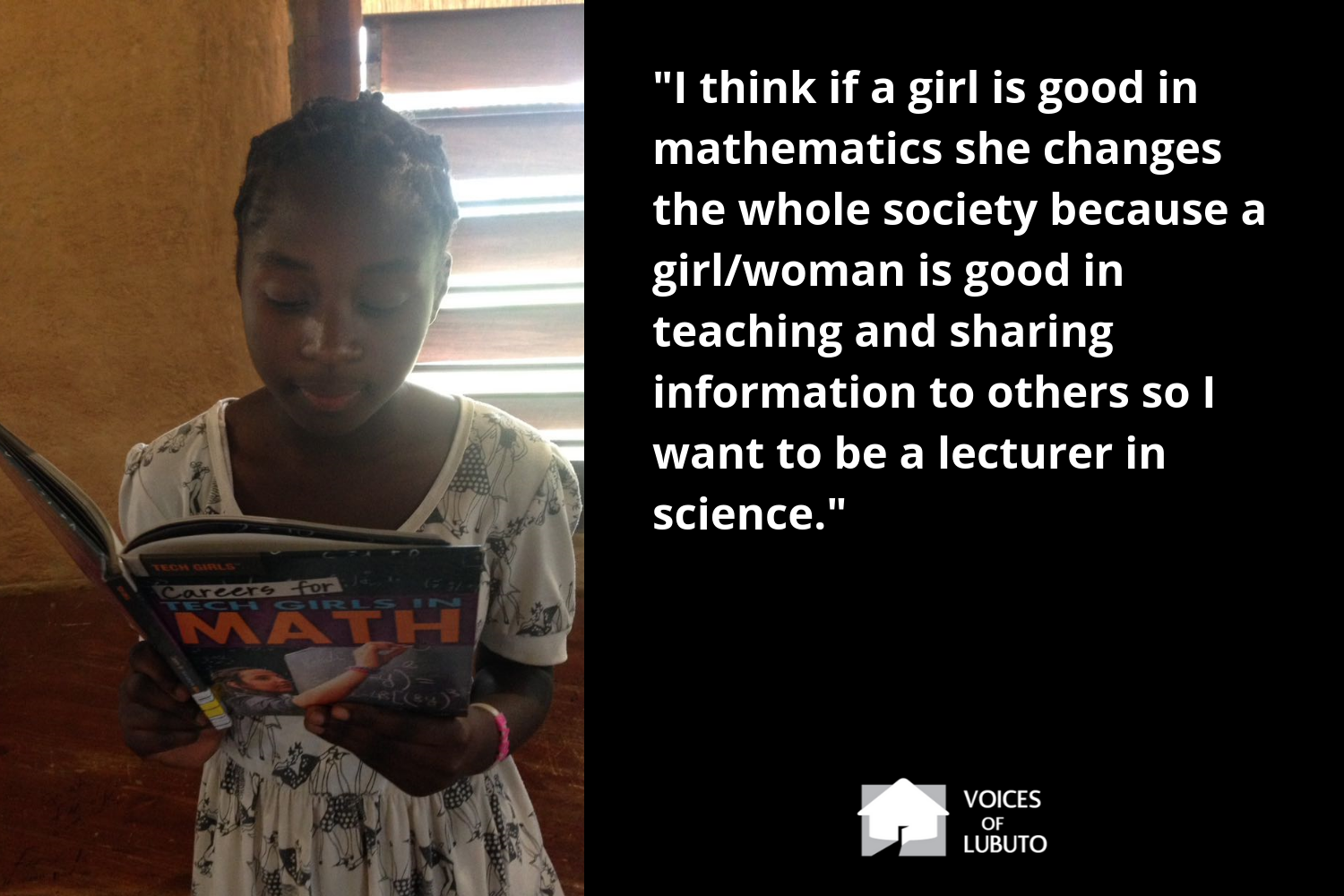
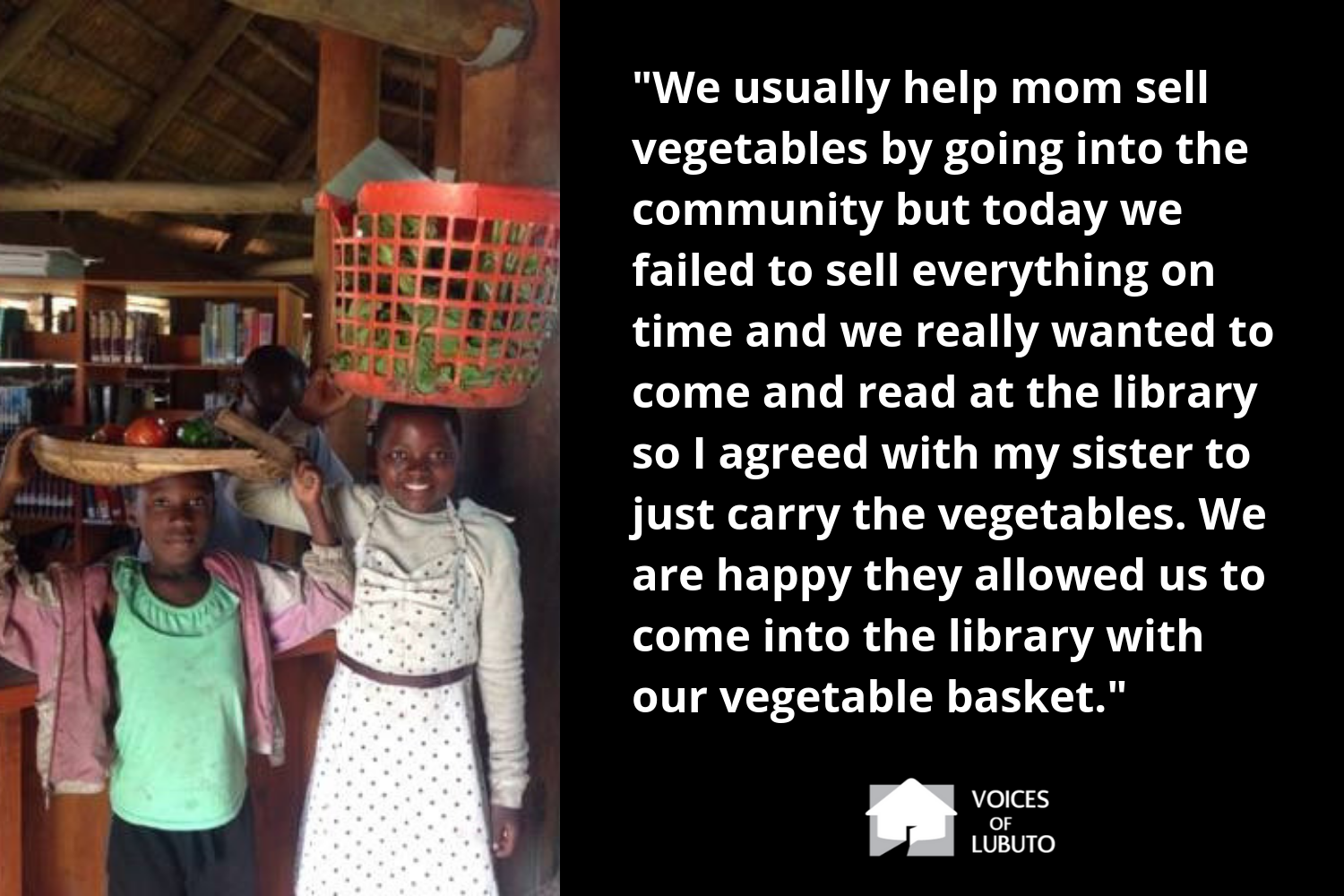
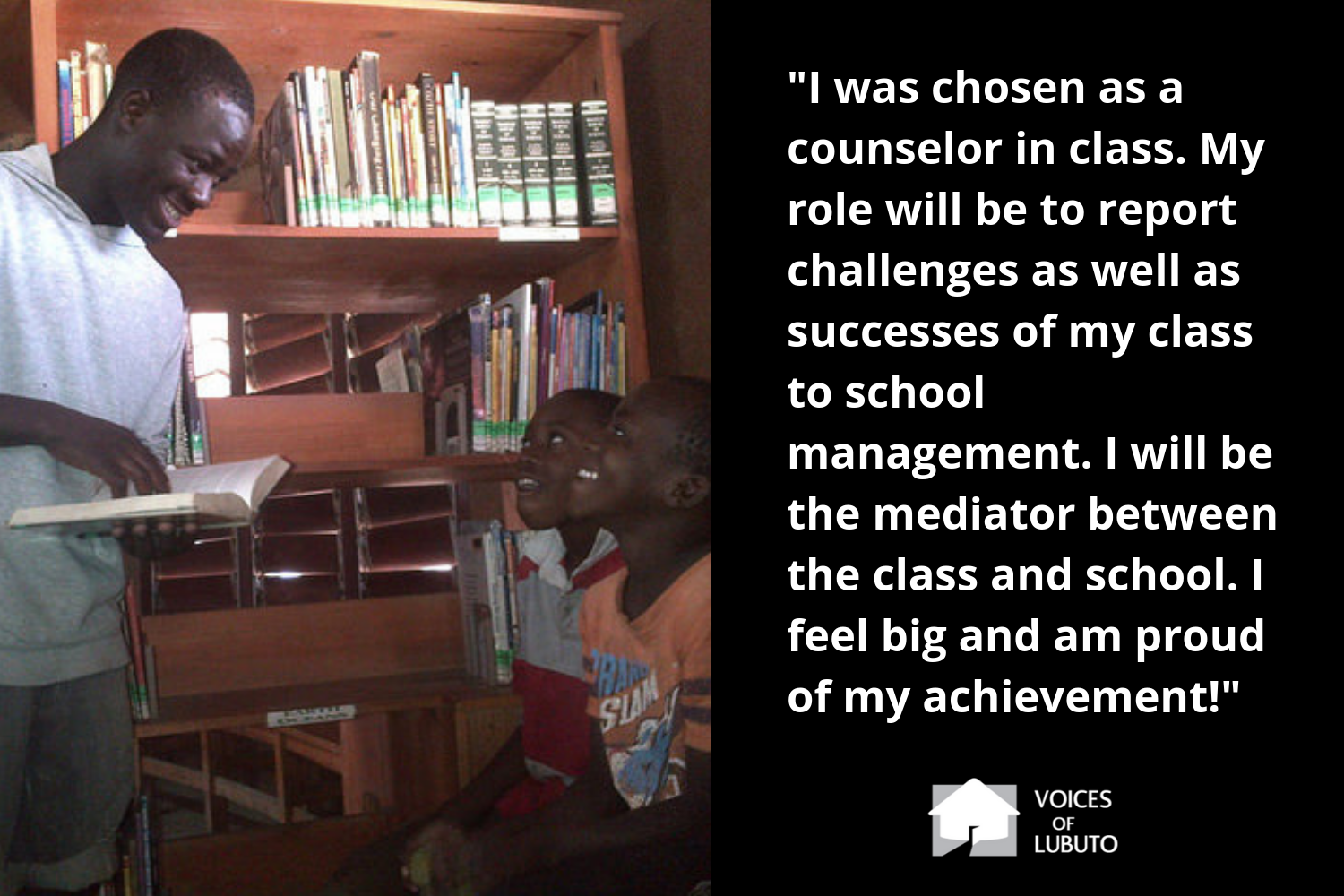
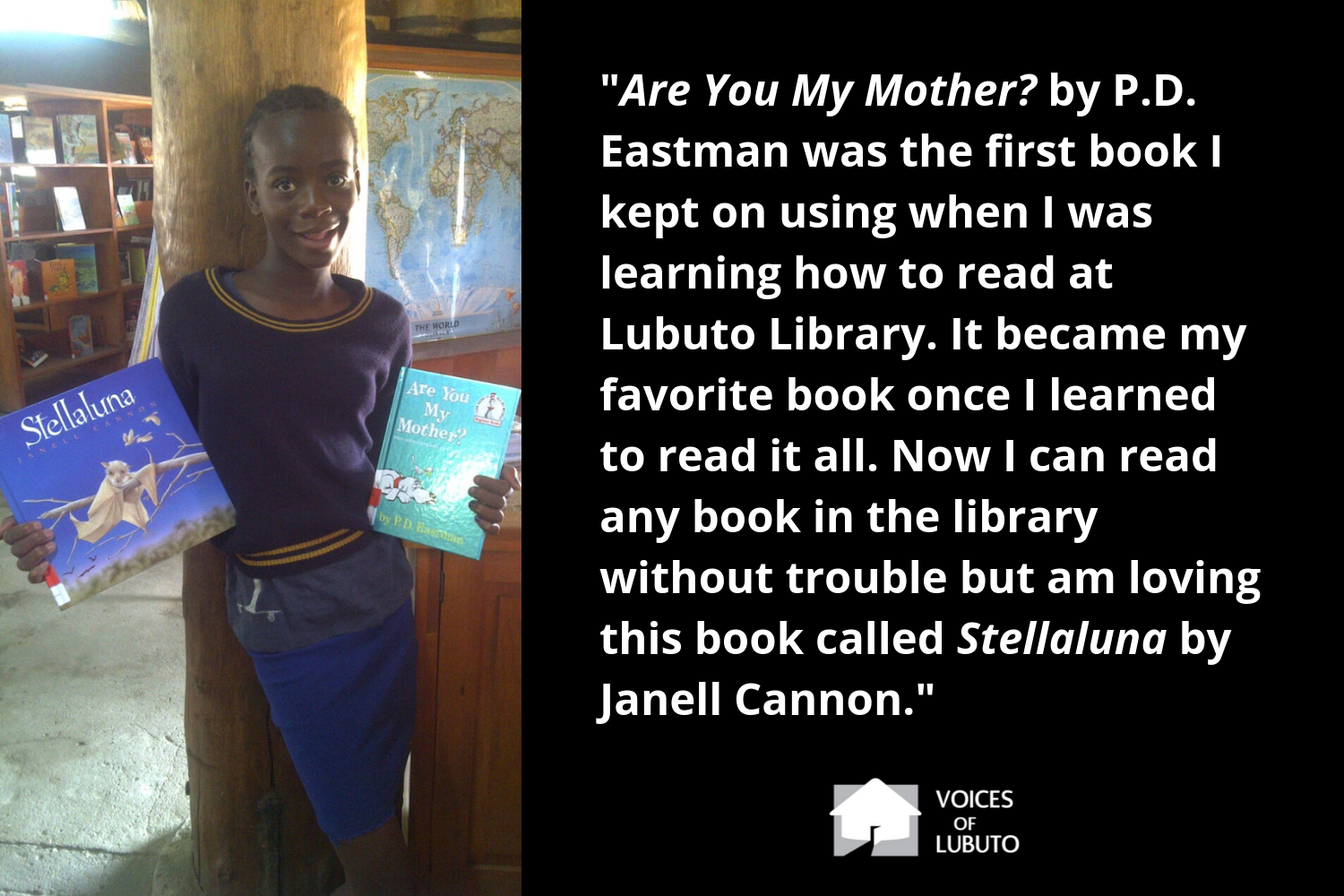
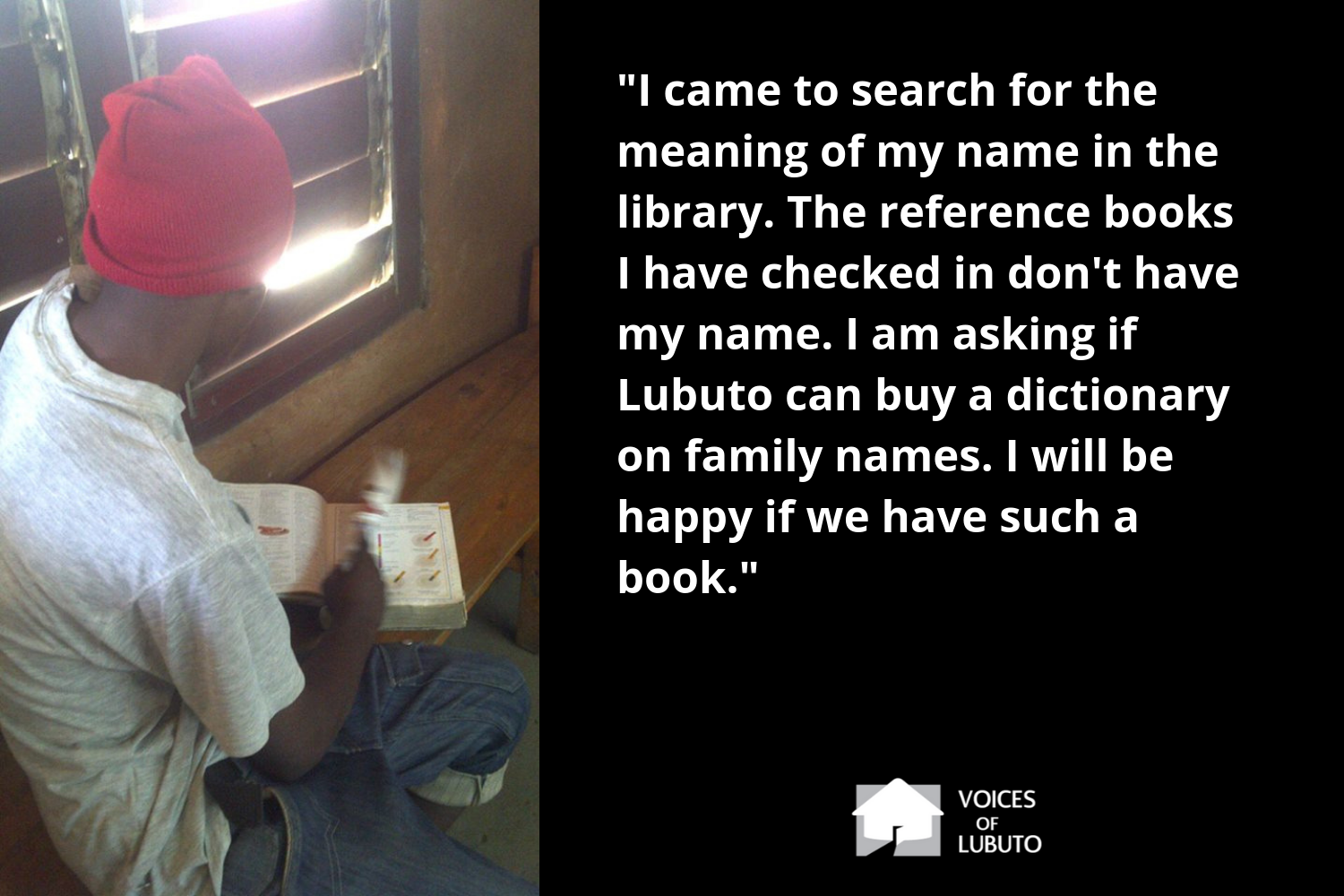
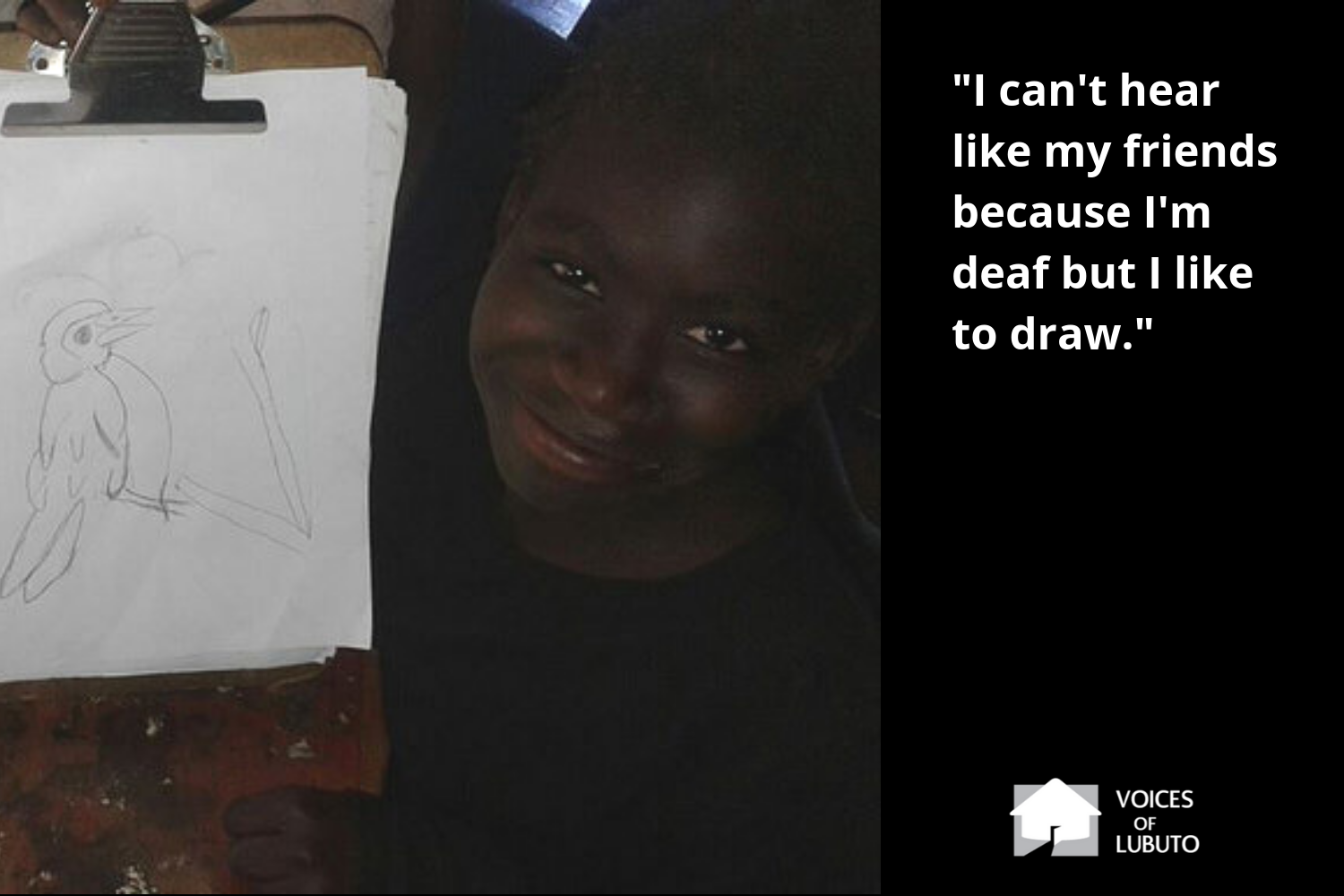
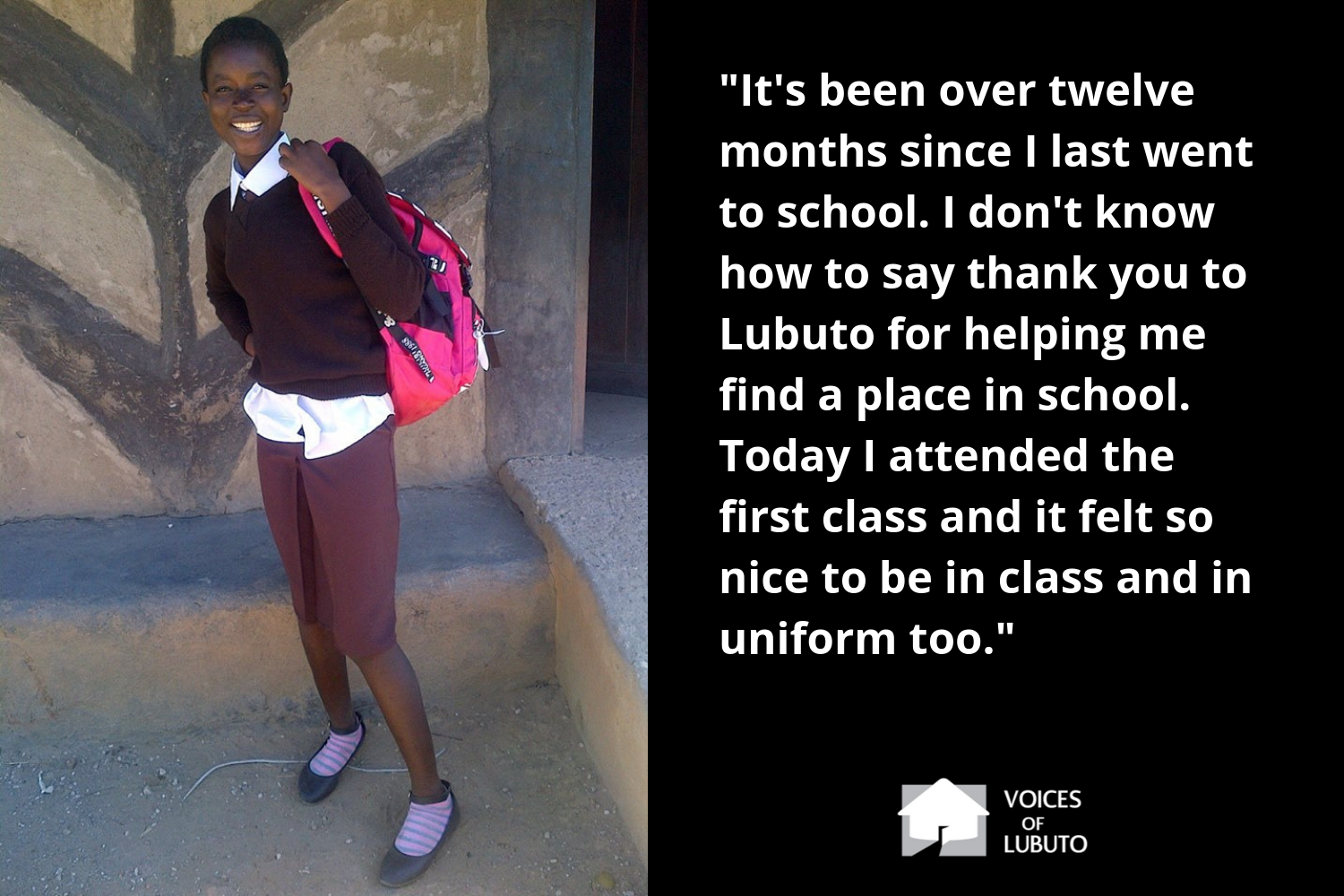
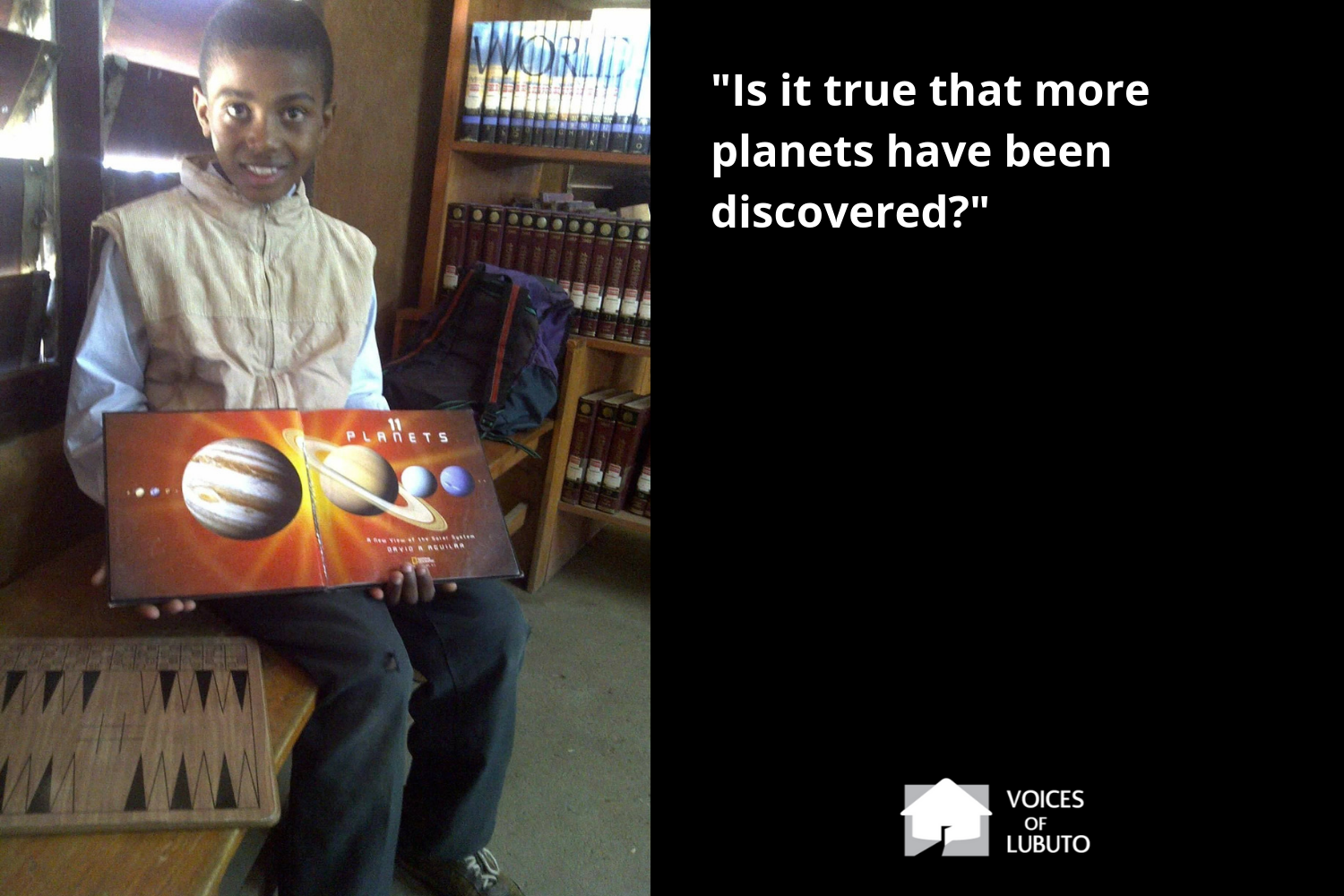
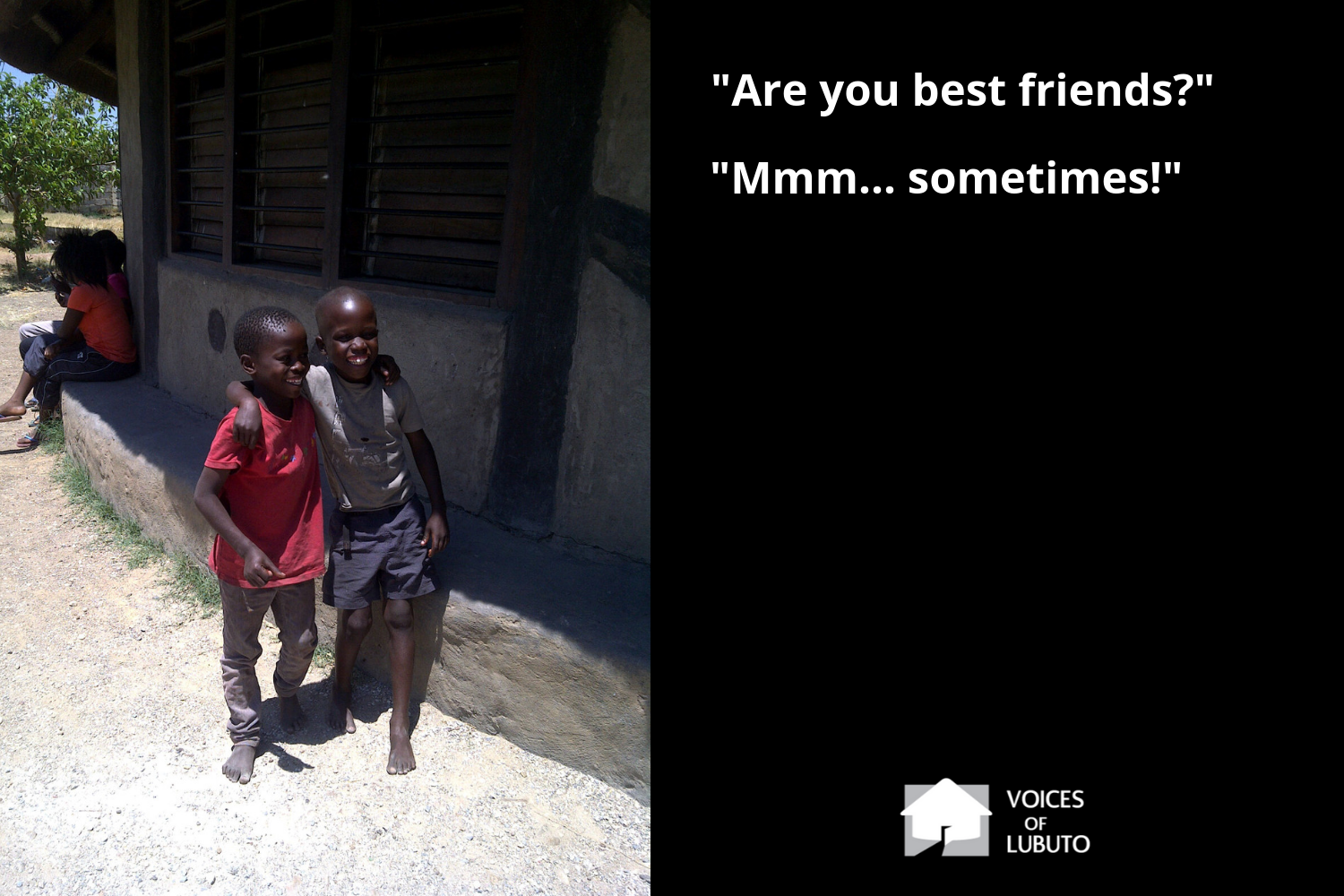
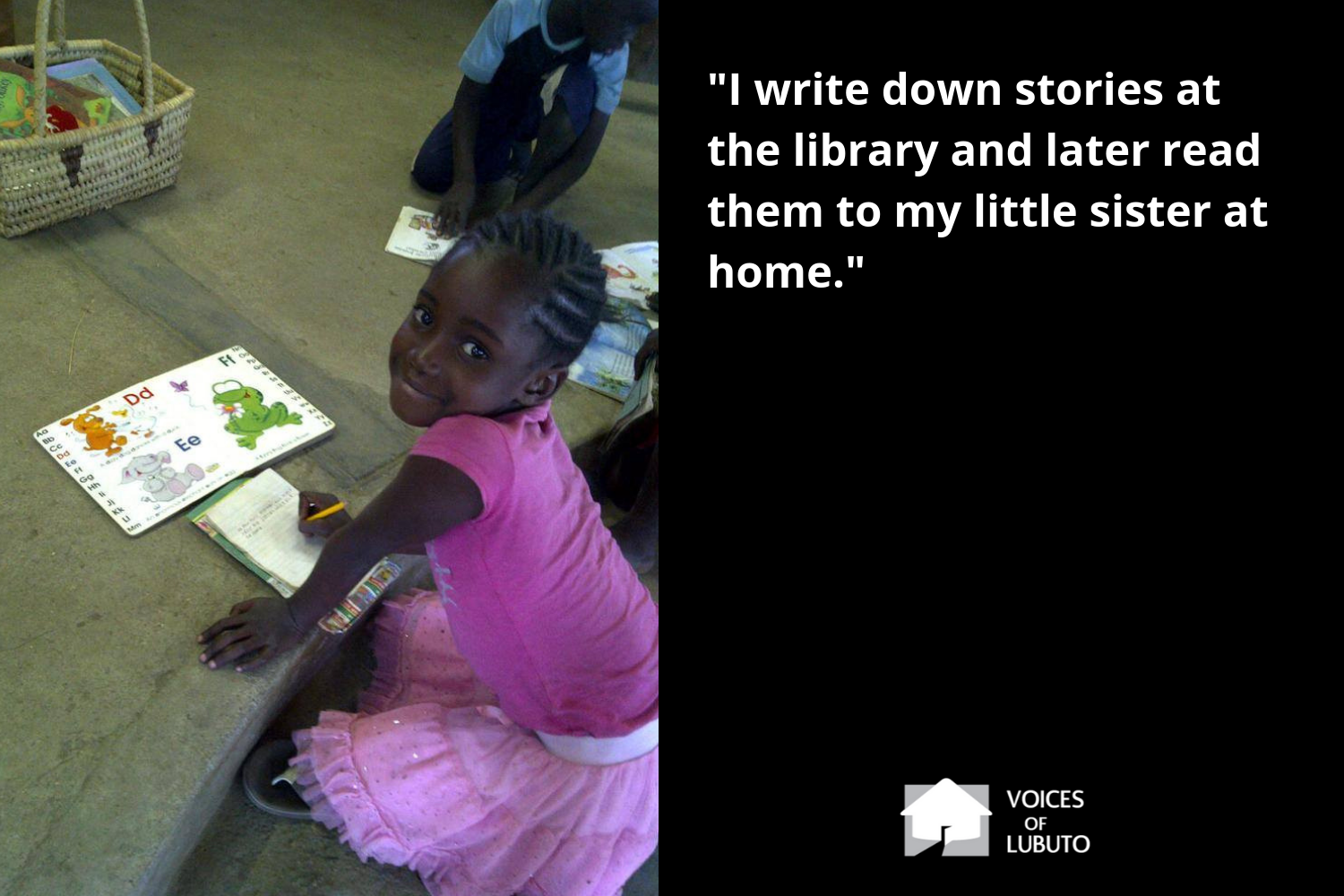
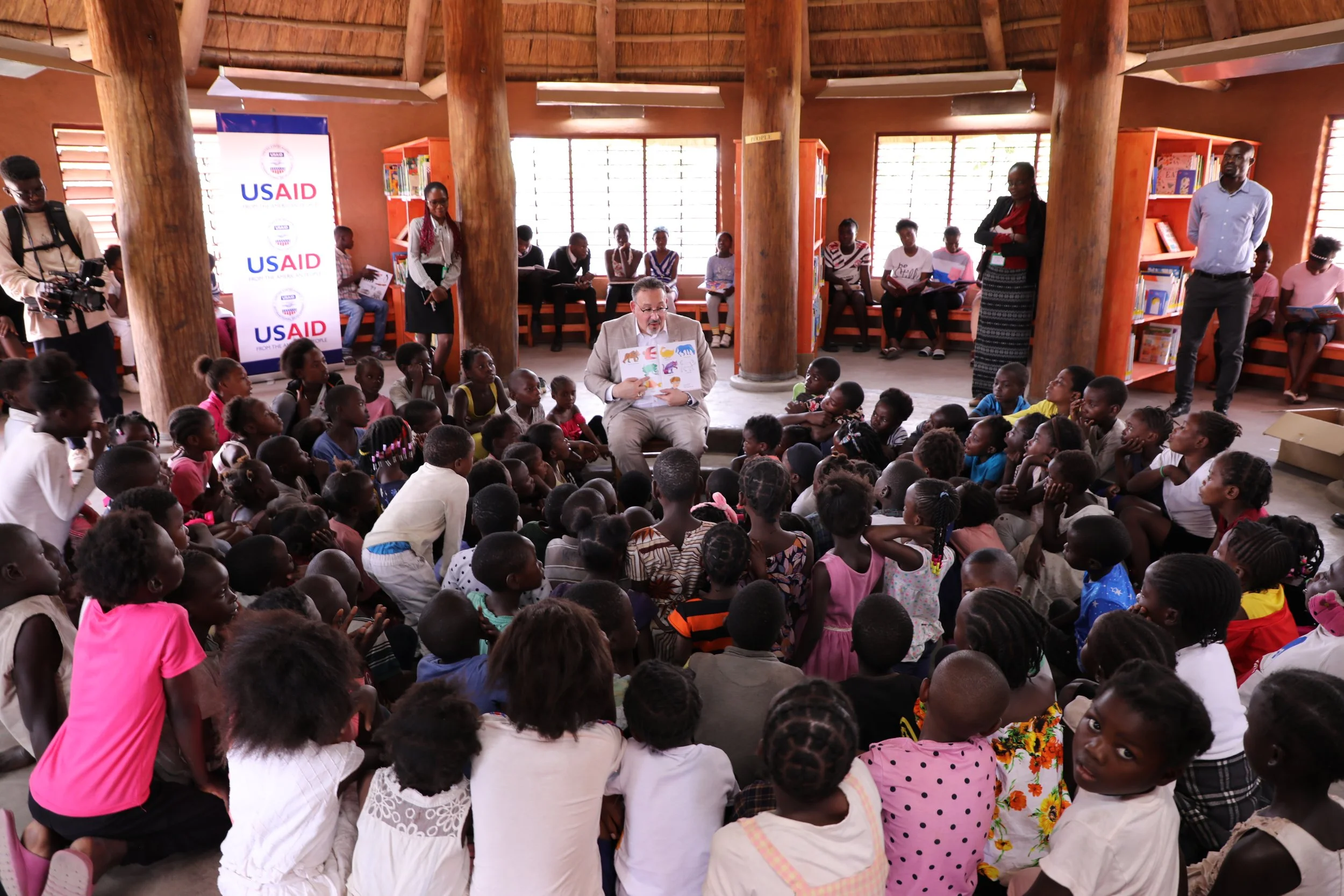
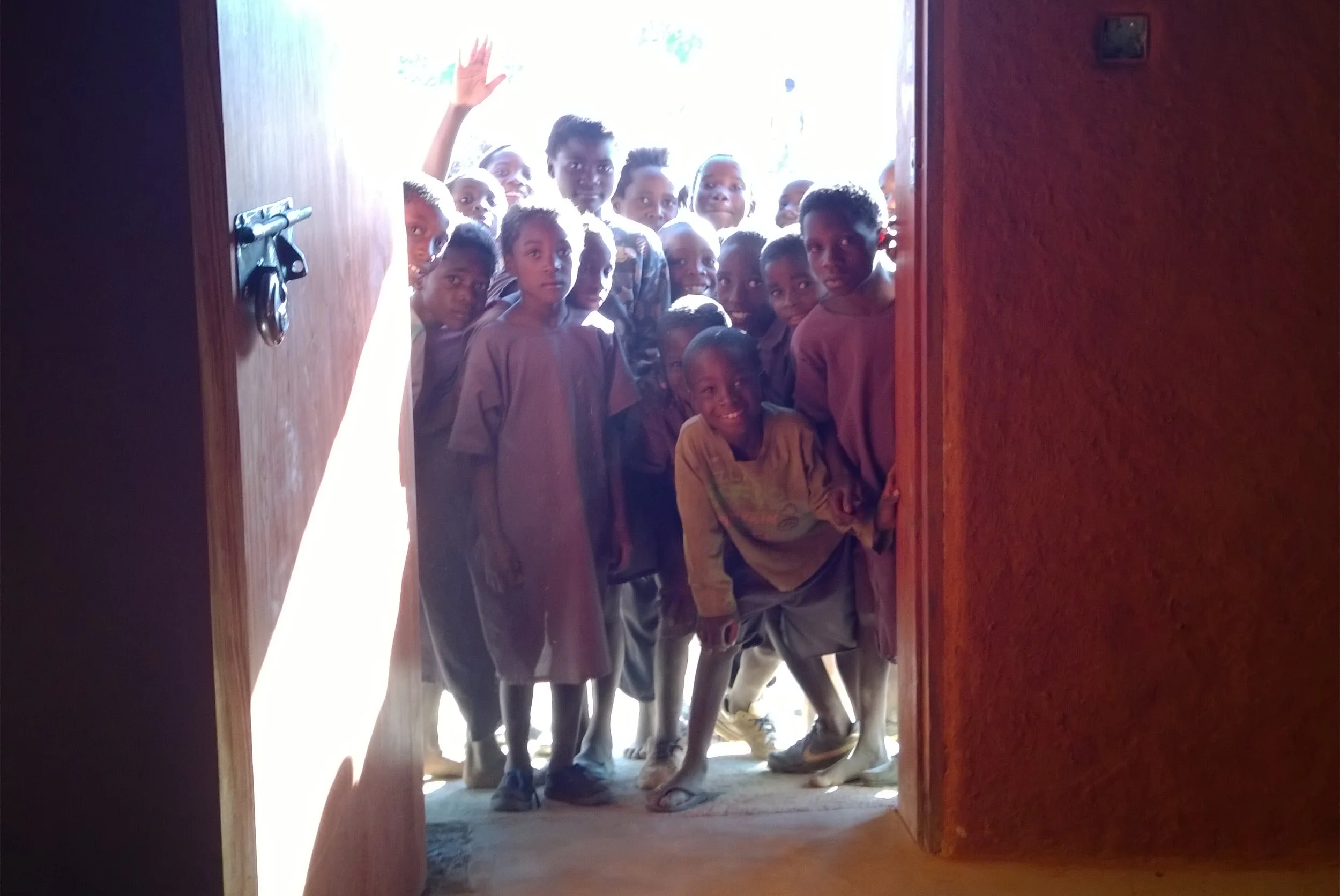
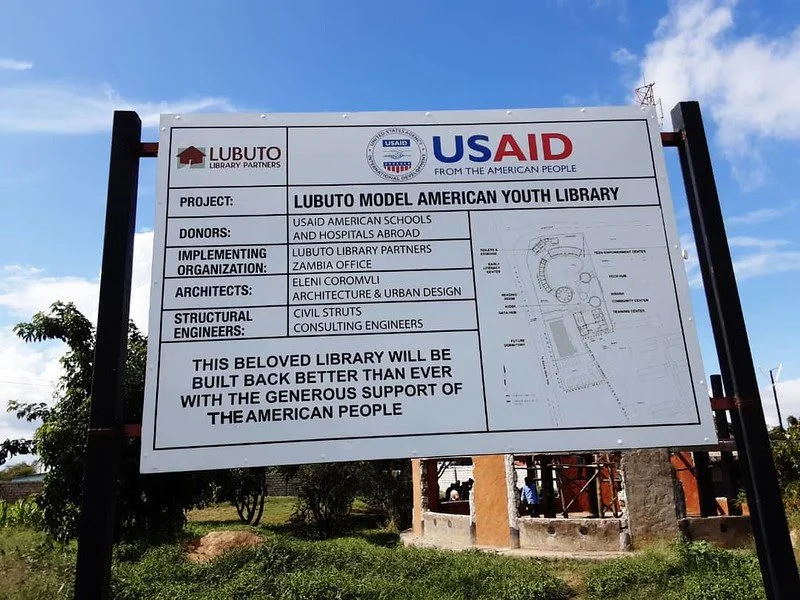
The opening of the first Lubuto Library, on September 21, 2007, was greeted with glee by the children at the Fountain of Hope street kids shelter in Lusaka, Zambia. The library’s 4,000 book collection ranges from picture books and early readers to fiction, science and reference books. Since the doors opened to them, children have been coming in droves and the smiles on their faces pretty much tell the whole story.


divider


The Lubuto Library Project

Education is commonly barred to Africa's street kids. A lack of education is almost certain to doom a child to a life of poverty and despair.


The Lubuto project is creating libraries of quality to serve Africa's street kids and other vulnerable children. They provide an opening onto the world, education, hope, and the simple pleasure of books to children who are alone in the world. The goal is to give the burgeoning numbers of street children the opportunity for non-formal education, improving literacy, language skills, general knowledge and participation in society.


Lubuto is a word in the Bemba language, spoken in central Africa, that signifies knowledge, enlightenment and light.


divider


Why is the Lubuto Library Approach Right?


(Why is a Lubuto Library so much more than just a room to read?)


Research by Dr. Denise E. Agosto, an internationally respected expert in multicultural issues in children's and young adult literature and library resources and services for youth and a strong supporter of the Lubuto Library Project, shows that libraries do much more than just provide books. According to her findings, public libraries play three main roles that are critical to the happy, healthy development of young people.  They provide an information gateway, a space for social interaction and entertainment, and a beneficial physical environment.


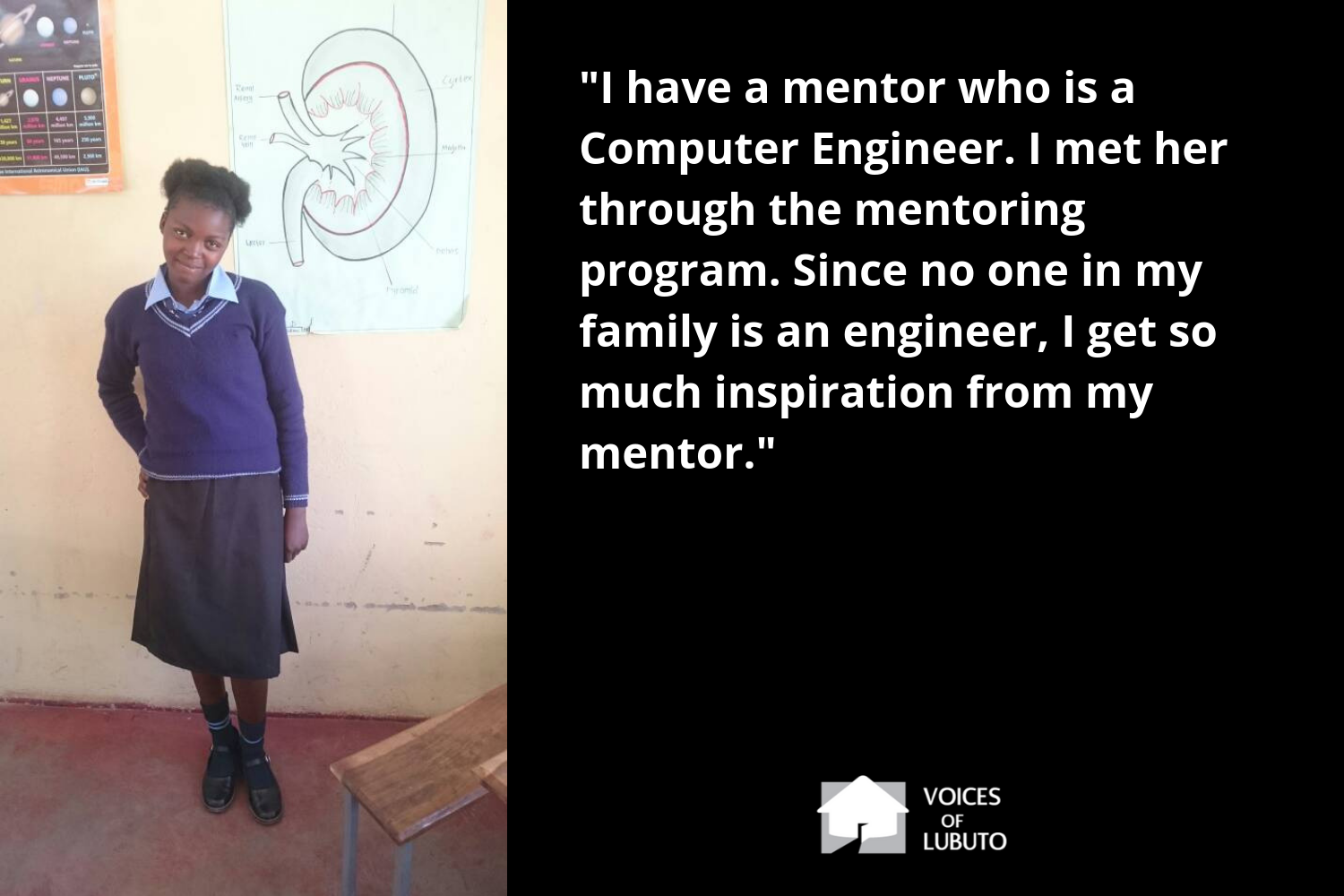
Lubuto's full-service libraries play all three of these roles in the lives of African street children.  They provide information and literacy services.  They provide a community space for social interaction, community building, and entertainment purposes.  They provide a safe, nurturing physical space for children who otherwise might not have a safe place to go.  As such, the Lubuto Project has the power to be a lasting, positive influence. An approach that simply provides books or rooms with books is not a substitute.


divider


Go Back to the Top


How You Can Help


After giving Jane Kinney Meyers a standing ovation at the 2007 Special Library Association (SLA) Awards, many SLA members asked how they could help.


Read how you can put your talents to good use helping the Lubuto Library Project on the SLA's Social Science Division website.


divider


Lubuto's Children


It is estimated that there were 43 million orphans in the sub-Saharan Africa in 2003 – just over 12 percent of all children.


Part of this desperate situation, which is projected to deteriorate further, can be traced to the HIV/AIDS crisis.


  • 14 million children under the age of 15 have lost one or both parents to AIDS. By 2010, this number is expected to exceed 25 million.


  • Because of the HIV/AIDS epidemic, a growing share of Africa's children are being orphaned. Unlike most diseases, HIV/AIDS generally kills not just one, but both parents.


When parents or caregivers fall sick and die, a child’s life often falls apart. With HIV and AIDS, the hardship hits well before children are orphaned. First a parent or caregiver becomes ill with HIV or AIDS, and is unable to work.


Across sub-Saharan Africa, where the HIV/AIDS epidemic is most severe, more and more orphans are heading up their own households. In 12 African countries, it is expected that, by 2010, orphans will make up 15 per cent of all children under 15 year old.”


Read more about children in need


20kchall
progress
donate
ckadd
cfc


Copyright © 2007 Lubuto Library Project